

George Brown Polytechnic is located on the traditional territory of the Mississaugas of the Credit First Nation and other Indigenous peoples who have lived here over time. We are grateful to share this land as treaty people who learn, work and live in the community with each other.
Mechanical Engineering Technology – Design
(T121)
Program Details
- Program Code: T121
- Credential: Ontario College Advanced Diploma
- Duration: 3 years (6 semesters)
- Method of Study: Full-time
- Starting Months: January, September
- Domestic Tuition: $4,395.00 *
- International Tuition: $17,781.00 **
Program Availability
| Semester | Domestic | International |
|---|---|---|
| Fall 2023 | Closed | Closed |
| Winter 2024 | Closed | Closed |
| Spring 2024 | Not Available | Not Available |
- PGWP Eligible: No
- CIP Code: N/A
Program Description
Program Overview
Study real-world solutions. Mechanical engineering is the cornerstone of sophisticated and technologically advanced economies. Process automation and control, precision machining and design functions can be found in industries as diverse as automotive, aerospace, robotics, biotechnology and energy. These mechanical functions open doors to a wide range of industrial automation and design-oriented careers.
Full Description
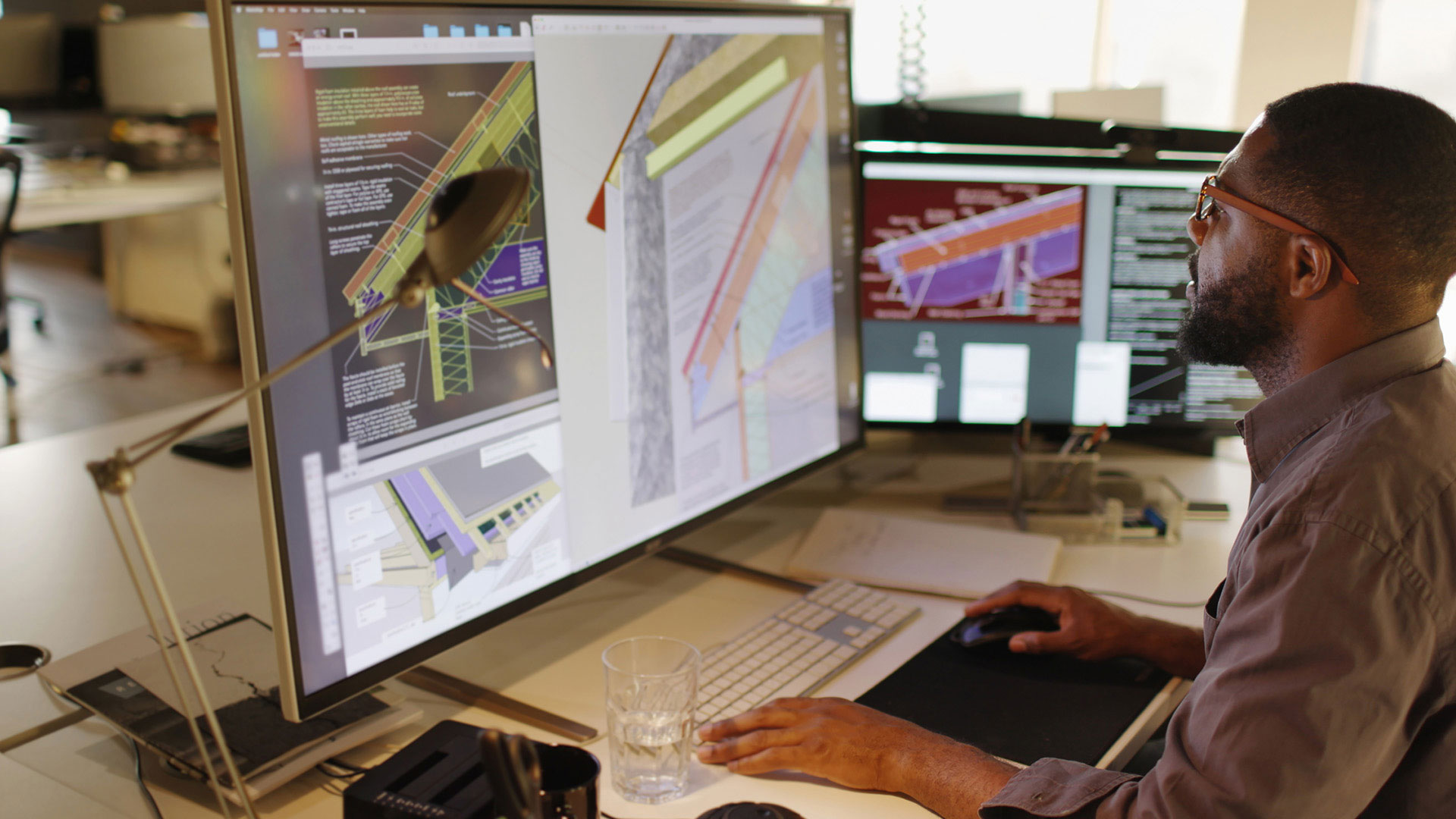
Designing the future, today. A solid grounding in engineering sciences and practical hands-on experience in mechanical and computer-assisted design labs provides the combination of applied and theoretical knowledge that employers require in today’s integrated work environments.
In the third year of the program, teams plan, fabricate and test their designs that require the application of all of the knowledge accumulated throughout the program. Once built, projects such as medical devices, entertainment equipment, solar-powered products and automotive accessories are often put on display and form an important part of the student assessment. More importantly, graduates learn to work in teams while solidifying their mechanical engineering knowledge and skills.
Note: If you enrol in the program in January, you must complete semester 2 in the summer (May to August) of the same year.
Your Field Education Options
Field study in the form of industry-driven applied research projects are provided to students. Students work closely with their industry sponsors to design, fabricate and test a solution to a real-world problem.
Alumni Impact
We are immensely proud of the contributions of our alumni in Toronto and around the globe.
From Michelin-starred restaurants to major construction, entertainment, community and financial organizations, our graduates are truly making an impact across a range of industries.
Courses
Semester 1
| Code | Course name |
|---|---|
| COMM 2000 | Communicating Across Contexts* |
| EMNG 1001 | Circuit Analysis |
| GSSC 1027 | Personal Finance |
| MATH 1160 | Mathematics for Engineering Technology 1 |
| MENG 1044 | Introduction to Mechanical Engineering Design |
| MENG 1045 | Machining Fundamentals and Metrology |
| MENG 1088 | Occupational Health and Safety |
Semester 2
| Code | Course name |
|---|---|
| CADE 1004 | Introduction to CNC |
| EMNG 1003 | Engineering Physics |
| MATH 1171 | Mathematics for Engineering Technology 2 |
| MENG 1026 | Introduction to Mechanical CAD |
| MENG 1090 | Precision Machining |
| MENG 2008 | Pneumatic Systems |
| GNED | General Education Elective |
Semester 3
| Code | Course name |
|---|---|
| CADE 2003 | Advanced Mechanical CAD |
| DRFT 1014 | Jig and Fixture Design |
| EMNG 1013 | Electronic Devices |
| MATH 2015 | Calculus 1 |
| MENG 2010 | Electro-Pneumatic Controls |
| MENG 2039 | Statics |
Semester 4
| Code | Course name |
|---|---|
| DRFT 2024 | Tool Design |
| MATH 3006 | Calculus 2 |
| MENG 1019 | Fluid Mechanics |
| MENG 2040 | Engineering Strengths of Materials |
| MENG 2047 | Geometric Dimensioning and Tolerance |
| MENG 2049 | Product Development Engineering |
| MENG 3009 | Industrial Automation: PLC Systems |
Semester 5
| Code | Course name |
|---|---|
| MENG 3006 | Thermodynamics |
| MENG 3008 | Capstone Project 1 |
| MENG 3012 | Finite Element Analysis |
| MENG 3023 | Engineering Dynamics |
| MENG 3024 | Machine Design 1 |
| MENG 3026 | Engineering Materials |
| MENG 3027 | Building Automation |
Semester 6
| Code | Course name |
|---|---|
| EMNG 2040 | Workplace Preparedness and Technical Report Writing |
| EMNG 2041 | Robotics |
| EMNG 3016 | Fundamentals of HVAC/R Systems |
| MENG 3010 | Capstone Project 2 |
| MENG 3025 | Machine Design 2 |
| GNED | General Education Elective |
*Based on the results of your placement test, you may be required to take COMM 1000 Introduction to College Communication before progressing to COMM 2000. COMM 1000 does not count as a course required for graduation, and you will be charged for this extra course.
Course Outline URL
Program Learning Outcomes
The graduate has reliably demonstrated the ability to:
- Communicate clearly and concisely in written, graphic and oral form using appropriate formal and informal vocabulary and formats.
- Display appropriate responsible attitudes.
- Carry out established design procedures, making use of handbooks, catalogues, specifications and codes. They should be able to recognize problems and apply established engineering practice to arrive at practical solutions.
- Prepare and interpret detail drawings, assembly drawings and compile technical specifications.
- Inspect, conduct tests and compare and compile data in accordance with standard formats and procedures.
- Assist in the planning, operation, control and improvement of manufacturing and production processes.
- Participate in the installation and maintenance of equipment and systems.
Tuition & Fees
Domestic Tuition
$4,395.00 *
International Tuition
$17,781.00 **
Additional Costs
* Amounts listed are the total of tuition, materials, student service and ancillary fees for the first two semesters of programs starting in Fall 2022. Fees are subject to change for programs starting in Fall 2023 and at later dates.
** Amounts listed are the total of tuition, materials, student service and ancillary fees for the first two semesters of programs starting in Fall 2023. Fees are subject to change for programs starting in Fall 2024 and at later dates.
Students are responsible for purchasing CSA standard safety shoes for their protection when working in the laboratories.
CSA safety glasses are provided, but students who wish to use prescription safety glasses will be responsible for purchasing those separately.
International Students
Visit the International Fees and Related Costs page for more information.
Financial Assistance
This program is approved for OSAP funding, provided the applicant meets OSAP eligibility criteria.
Each year we award over $2 million dollars in scholarships, awards and bursaries to first-year students. Check out our financial aid webpages for ways to pay for college and the full list of available scholarships, awards and bursaries.
Admission Requirements
Applicants are selected on the basis of their academic achievement, including the required courses, and any other selection criteria outlined below.
- Ontario Secondary School Diploma or equivalent**
- grade 12 English (C or U)
- grade 11 Math (M or U) or grade 12 (C or U)
** Mature student status (19 years of age or older and no OSSD)
Mature students may take the Admissions Assessment for English and math, OR may consider upgrading to achieve the credit(s) needed in English and math.
Course exemptions
College or university credits may qualify you for course exemptions. Please visit Transfer Guide for more information.
International Students
Visit the International Admissions page for more information regarding country specific admission requirements.
How to Apply
Domestic students should apply through Ontario Colleges.
International Students
Visit the How to Apply page for more information on how and when to apply.
International students should apply through the George Brown Polytechnic Online Application System.
Contact Us
School of Mechanical Engineering Technologies
Phone: 416-415-5000, ext. 4365
Email: engineeringtech@georgebrown.ca
Our office hours are 8 a.m. – 4 p.m., room D305
For more information about George Brown College, you may also call the Contact Centre at 416-415-2000 or long distance 1-800-265-2002.
International Students
Contact one of our international recruitment representatives specializing by country of origin by either booking a virtual meeting or submitting an inquiry. For more information visit the International Contact Us page
Visit Our Campus
Do you have questions about this program or your career options? Join us for an on-campus information session. You'll have the opportunity to meet our friendly instructors and staff, ask questions and experience what it's like to be in a George Brown College classroom.
Program Description
Program Overview
Study real-world solutions. Mechanical engineering is the cornerstone of sophisticated and technologically advanced economies. Process automation and control, precision machining and design functions can be found in industries as diverse as automotive, aerospace, robotics, biotechnology and energy. These mechanical functions open doors to a wide range of industrial automation and design-oriented careers.
Full Description
Designing the future, today. A solid grounding in engineering sciences and practical hands-on experience in mechanical and computer-assisted design labs provides the combination of applied and theoretical knowledge that employers require in today’s integrated work environments.
In the third year of the program, teams plan, fabricate and test their designs that require the application of all of the knowledge accumulated throughout the program. Once built, projects such as medical devices, entertainment equipment, solar-powered products and automotive accessories are often put on display and form an important part of the student assessment. More importantly, graduates learn to work in teams while solidifying their mechanical engineering knowledge and skills.
Note: If you enrol in the program in January, you must complete semester 2 in the summer (May to August) of the same year.
Your Field Education Options
Field study in the form of industry-driven applied research projects are provided to students. Students work closely with their industry sponsors to design, fabricate and test a solution to a real-world problem.
Alumni Impact
We are immensely proud of the contributions of our alumni in Toronto and around the globe.
From Michelin-starred restaurants to major construction, entertainment, community and financial organizations, our graduates are truly making an impact across a range of industries.
Courses
Semester 1
| Code | Course name |
|---|---|
| COMM 2000 | Communicating Across Contexts* |
| EMNG 1001 | Circuit Analysis |
| GSSC 1027 | Personal Finance |
| MATH 1160 | Mathematics for Engineering Technology 1 |
| MENG 1044 | Introduction to Mechanical Engineering Design |
| MENG 1045 | Machining Fundamentals and Metrology |
| MENG 1088 | Occupational Health and Safety |
Semester 2
| Code | Course name |
|---|---|
| CADE 1004 | Introduction to CNC |
| EMNG 1003 | Engineering Physics |
| MATH 1171 | Mathematics for Engineering Technology 2 |
| MENG 1026 | Introduction to Mechanical CAD |
| MENG 1090 | Precision Machining |
| MENG 2008 | Pneumatic Systems |
| GNED | General Education Elective |
Semester 3
| Code | Course name |
|---|---|
| CADE 2003 | Advanced Mechanical CAD |
| DRFT 1014 | Jig and Fixture Design |
| EMNG 1013 | Electronic Devices |
| MATH 2015 | Calculus 1 |
| MENG 2010 | Electro-Pneumatic Controls |
| MENG 2039 | Statics |
Semester 4
| Code | Course name |
|---|---|
| DRFT 2024 | Tool Design |
| MATH 3006 | Calculus 2 |
| MENG 1019 | Fluid Mechanics |
| MENG 2040 | Engineering Strengths of Materials |
| MENG 2047 | Geometric Dimensioning and Tolerance |
| MENG 2049 | Product Development Engineering |
| MENG 3009 | Industrial Automation: PLC Systems |
Semester 5
| Code | Course name |
|---|---|
| MENG 3006 | Thermodynamics |
| MENG 3008 | Capstone Project 1 |
| MENG 3012 | Finite Element Analysis |
| MENG 3023 | Engineering Dynamics |
| MENG 3024 | Machine Design 1 |
| MENG 3026 | Engineering Materials |
| MENG 3027 | Building Automation |
Semester 6
| Code | Course name |
|---|---|
| EMNG 2040 | Workplace Preparedness and Technical Report Writing |
| EMNG 2041 | Robotics |
| EMNG 3016 | Fundamentals of HVAC/R Systems |
| MENG 3010 | Capstone Project 2 |
| MENG 3025 | Machine Design 2 |
| GNED | General Education Elective |
*Based on the results of your placement test, you may be required to take COMM 1000 Introduction to College Communication before progressing to COMM 2000. COMM 1000 does not count as a course required for graduation, and you will be charged for this extra course.
Course Outline URL
Tuition & Fees
Domestic Tuition
$4,395.00 *
International Tuition
$17,781.00 **
Additional Costs
* Amounts listed are the total of tuition, materials, student service and ancillary fees for the first two semesters of programs starting in Fall 2022. Fees are subject to change for programs starting in Fall 2023 and at later dates.
** Amounts listed are the total of tuition, materials, student service and ancillary fees for the first two semesters of programs starting in Fall 2023. Fees are subject to change for programs starting in Fall 2024 and at later dates.
Students are responsible for purchasing CSA standard safety shoes for their protection when working in the laboratories.
CSA safety glasses are provided, but students who wish to use prescription safety glasses will be responsible for purchasing those separately.
International Students
Visit the International Fees and Related Costs page for more information.
Financial Assistance
This program is approved for OSAP funding, provided the applicant meets OSAP eligibility criteria.
Each year we award over $2 million dollars in scholarships, awards and bursaries to first-year students. Check out our financial aid webpages for ways to pay for college and the full list of available scholarships, awards and bursaries.
Admission Requirements
Applicants are selected on the basis of their academic achievement, including the required courses, and any other selection criteria outlined below.
- Ontario Secondary School Diploma or equivalent**
- grade 12 English (C or U)
- grade 11 Math (M or U) or grade 12 (C or U)
** Mature student status (19 years of age or older and no OSSD)
Mature students may take the Admissions Assessment for English and math, OR may consider upgrading to achieve the credit(s) needed in English and math.
Course exemptions
College or university credits may qualify you for course exemptions. Please visit Transfer Guide for more information.
International Students
Visit the International Admissions page for more information regarding country specific admission requirements.
How to Apply
Domestic students should apply through Ontario Colleges.
International Students
Visit the How to Apply page for more information on how and when to apply.
International students should apply through the George Brown Polytechnic Online Application System.
Program Learning Outcomes
The graduate has reliably demonstrated the ability to:
- Communicate clearly and concisely in written, graphic and oral form using appropriate formal and informal vocabulary and formats.
- Display appropriate responsible attitudes.
- Carry out established design procedures, making use of handbooks, catalogues, specifications and codes. They should be able to recognize problems and apply established engineering practice to arrive at practical solutions.
- Prepare and interpret detail drawings, assembly drawings and compile technical specifications.
- Inspect, conduct tests and compare and compile data in accordance with standard formats and procedures.
- Assist in the planning, operation, control and improvement of manufacturing and production processes.
- Participate in the installation and maintenance of equipment and systems.
Contact Us
School of Mechanical Engineering Technologies
Phone: 416-415-5000, ext. 4365
Email: engineeringtech@georgebrown.ca
Our office hours are 8 a.m. – 4 p.m., room D305
For more information about George Brown College, you may also call the Contact Centre at 416-415-2000 or long distance 1-800-265-2002.
International Students
Contact one of our international recruitment representatives specializing by country of origin by either booking a virtual meeting or submitting an inquiry. For more information visit the International Contact Us page
Visit Our Campus
Do you have questions about this program or your career options? Join us for an on-campus information session. You'll have the opportunity to meet our friendly instructors and staff, ask questions and experience what it's like to be in a George Brown College classroom.

Visit Casa Loma Campus
Book campus tourVisit
Our Virtual Tour showcases the following areas:
- Campus Facilities
- Student Services
- Applied Learning Environments
- Labs & Classrooms
Mechanical Engineering Technology – Design
(T121)
Program Details
- Program Code: T121
- Credential: Ontario College Advanced Diploma
- Duration: 3 years (6 semesters)
- Method of Study: Full-time
- Starting Months: January, September
- Domestic Tuition: $4,405.00 *
- International Tuition: $17,360.00 **
Program Availability
| Semester | Domestic | International |
|---|---|---|
| Fall 2022 | Closed | Closed |
| Winter 2023 | Closed | Closed |
| Spring 2023 | Not Available | Not Available |
- PGWP Eligible: No
- CIP Code: N/A
Program Description
Program Overview
Study real-world solutions. Mechanical engineering is the cornerstone of sophisticated and technologically advanced economies. Process automation and control, precision machining and design functions can be found in industries as diverse as automotive, aerospace, robotics, biotechnology and energy. These mechanical functions open doors to a wide range of industrial automation and design-oriented careers.
Full Description
Designing the future, today. A solid grounding in engineering sciences and practical hands-on experience in mechanical and computer-assisted design labs provides the combination of applied and theoretical knowledge that employers require in today’s integrated work environments.
In the third year of the program, teams plan, fabricate and test their own designs that require the application of all of the knowledge accumulated throughout the program. Once built, projects such as medical devices, entertainment equipment, solar-powered products and automotive accessories are often put on display and form an important part of the student assessment. More importantly, graduates learn to work in teams while solidifying their mechanical engineering knowledge and skills.
Note: If you enrol in the program in January, you must complete Semester 2 in the summer (May to August) of the same year.
Your Field Education Options
Field study in the form of industry-driven applied research projects are provided to students. Students work closely with their industry sponsors to design, fabricate and test a solution to a real-world problem.
Career & Postgraduate Study Opportunities
Your Career
Graduates can expect to find positions on technical teams that design, produce and maintain automated equipment and systems in all industries. An engineering background will enable graduates to move to more senior levels of responsibility at an earlier stage of their careers.
Courses
Semester 1
| Code | Course name |
|---|---|
| COMM 2000 | Communicating Across Contexts* |
| EMNG 1001 | Circuit Analysis |
| GSSC 1027 | Personal Finance |
| MATH 1160 | Mathematics for Engineering Technology 1 |
| MENG 1044 | Introduction to Mechanical Engineering Design |
| MENG 1045 | Machining Fundamentals and Metrology |
| MENG 1088 | Occupational Health and Safety |
Semester 2
| Code | Course name |
|---|---|
| CADE 1004 | Introduction to CNC |
| EMNG 1003 | Engineering Physics |
| MATH 1171 | Mathematics for Engineering Technology 2 |
| MENG 1026 | Introduction to Mechanical CAD |
| MENG 1090 | Precision Machining |
| MENG 2008 | Pneumatic Systems |
| GNED | General Education Elective |
Semester 3
| Code | Course name |
|---|---|
| CADE 2003 | Advanced Mechanical CAD |
| DRFT 1014 | Jig and Fixture Design |
| EMNG 1013 | Electronic Devices |
| MATH 2015 | Calculus 1 |
| MENG 2010 | Electro-Pneumatic Controls |
| MENG 2039 | Statics |
Semester 4
| Code | Course name |
|---|---|
| DRFT 2024 | Tool Design |
| MATH 3006 | Calculus 2 |
| MENG 1019 | Fluid Mechanics |
| MENG 2040 | Engineering Strengths of Materials |
| MENG 2047 | Geometric Dimensioning and Tolerance |
| MENG 2049 | Product Development Engineering |
| MENG 3009 | Industrial Automation: PLC Systems |
Semester 5
| Code | Course name |
|---|---|
| MENG 3006 | Thermodynamics |
| MENG 3008 | Capstone Project 1 |
| MENG 3012 | Finite Element Analysis |
| MENG 3023 | Engineering Dynamics |
| MENG 3024 | Machine Design 1 |
| MENG 3026 | Engineering Materials |
| MENG 3027 | Building Automation |
Semester 6
| Code | Course name |
|---|---|
| EMNG 2040 | Workplace Preparedness and Technical Report Writing |
| EMNG 2041 | Robotics |
| EMNG 3016 | Fundamentals of HVAC/R Systems |
| MENG 3010 | Capstone Project 2 |
| MENG 3025 | Machine Design 2 |
| GNED | General Education Elective |
*Based on the results of your placement test, you may be required to take COMM 1000 Introduction to College Communication before progressing to COMM 2000. COMM 1000 does not count as a course required for graduation, and you will be charged for this extra course.
Course Outline URL
Program Learning Outcomes
The graduate has reliably demonstrated the ability to:
- Communicate clearly and concisely in written, graphic and oral form using appropriate formal and informal vocabulary and formats.
- Display appropriate responsible attitudes.
- Carry out established design procedures, making use of handbooks, catalogues, specifications and codes. They should be able to recognize problems and apply established engineering practice to arrive at practical solutions.
- Prepare and interpret detail drawings, assembly drawings and compile technical specifications.
- Inspect, conduct tests and compare and compile data in accordance with standard formats and procedures.
- Assist in the planning, operation, control and improvement of manufacturing and production processes.
- Participate in the installation and maintenance of equipment and systems.
Tuition & Fees
Domestic Tuition
$4,405.00 *
International Tuition
$17,360.00 **
Additional Costs
* Amounts listed are the total of tuition, materials, student service and ancillary fees for the first two semesters of programs starting in Fall 2021. Fees are subject to change for programs starting in Fall 2022 and at later dates.
** Amounts listed are the total of tuition, materials, student service and ancillary fees for the first two semesters of programs starting in Fall 2022. Fees are subject to change for programs starting in Fall 2023 and at later dates.
Students are responsible for purchasing CSA standard safety shoes for their protection when working in the laboratories.
CSA Safety glasses are provided, but students who wish to use prescription safety glasses will be responsible for purchasing those separately.
International Students
Visit the International Fees and Related Costs page for more information.
Financial Assistance
This program is approved for OSAP funding, provided the applicant meets OSAP eligibility criteria.
Admission Requirements
Applicants are selected on the basis of their academic achievement, including the required courses, and any other selection criteria outlined below.
- Ontario Secondary School Diploma or equivalent**
- Grade 12 English (C or U)
- Grade 11 Math (M or U) or Grade 12 (C or U)
** Mature student status (19 years of age or older and no OSSD)
Mature students may take the Admissions Assessment for English and Math, OR may consider upgrading to achieve the credit(s) needed in English and Math.
Course Exemptions
College or university credits may qualify you for course exemptions. Please visit Transfer Guide for more information.
International Students
Visit the International Admissions page for more information regarding country specific admission requirements.
How to Apply
Domestic students should apply through Ontario Colleges.
International Students
Visit the How to Apply page for more information on how and when to apply.
International students should apply through the George Brown Polytechnic Online Application System.
Contact Us
School of Mechanical Engineering Technologies
Phone: 416-415-5000, ext. 4365
Email: engineeringtech@georgebrown.ca
Our office hours are 8 a.m. – 4 p.m., room D305
For more information about George Brown College, you may also call the Contact Centre at 416-415-2000 (TTY 1-877-515-5559) or long distance 1-800-265-2002.
International Students
Contact one of our international recruitment representatives specializing by country of origin by either booking a virtual meeting or submitting an inquiry. For more information visit the International Contact Us page
Visit Our Campus
Do you have questions about this program or your career options? Join us for an on-campus Information Session. You'll have the opportunity to meet our friendly instructors and staff, ask questions and experience what it's like to be in a George Brown College classroom.
Program Description
Program Overview
Study real-world solutions. Mechanical engineering is the cornerstone of sophisticated and technologically advanced economies. Process automation and control, precision machining and design functions can be found in industries as diverse as automotive, aerospace, robotics, biotechnology and energy. These mechanical functions open doors to a wide range of industrial automation and design-oriented careers.
Full Description
Designing the future, today. A solid grounding in engineering sciences and practical hands-on experience in mechanical and computer-assisted design labs provides the combination of applied and theoretical knowledge that employers require in today’s integrated work environments.
In the third year of the program, teams plan, fabricate and test their own designs that require the application of all of the knowledge accumulated throughout the program. Once built, projects such as medical devices, entertainment equipment, solar-powered products and automotive accessories are often put on display and form an important part of the student assessment. More importantly, graduates learn to work in teams while solidifying their mechanical engineering knowledge and skills.
Note: If you enrol in the program in January, you must complete Semester 2 in the summer (May to August) of the same year.
Your Field Education Options
Field study in the form of industry-driven applied research projects are provided to students. Students work closely with their industry sponsors to design, fabricate and test a solution to a real-world problem.
Career & Postgraduate Study Opportunities
Your Career
Graduates can expect to find positions on technical teams that design, produce and maintain automated equipment and systems in all industries. An engineering background will enable graduates to move to more senior levels of responsibility at an earlier stage of their careers.
Courses
Semester 1
| Code | Course name |
|---|---|
| COMM 2000 | Communicating Across Contexts* |
| EMNG 1001 | Circuit Analysis |
| GSSC 1027 | Personal Finance |
| MATH 1160 | Mathematics for Engineering Technology 1 |
| MENG 1044 | Introduction to Mechanical Engineering Design |
| MENG 1045 | Machining Fundamentals and Metrology |
| MENG 1088 | Occupational Health and Safety |
Semester 2
| Code | Course name |
|---|---|
| CADE 1004 | Introduction to CNC |
| EMNG 1003 | Engineering Physics |
| MATH 1171 | Mathematics for Engineering Technology 2 |
| MENG 1026 | Introduction to Mechanical CAD |
| MENG 1090 | Precision Machining |
| MENG 2008 | Pneumatic Systems |
| GNED | General Education Elective |
Semester 3
| Code | Course name |
|---|---|
| CADE 2003 | Advanced Mechanical CAD |
| DRFT 1014 | Jig and Fixture Design |
| EMNG 1013 | Electronic Devices |
| MATH 2015 | Calculus 1 |
| MENG 2010 | Electro-Pneumatic Controls |
| MENG 2039 | Statics |
Semester 4
| Code | Course name |
|---|---|
| DRFT 2024 | Tool Design |
| MATH 3006 | Calculus 2 |
| MENG 1019 | Fluid Mechanics |
| MENG 2040 | Engineering Strengths of Materials |
| MENG 2047 | Geometric Dimensioning and Tolerance |
| MENG 2049 | Product Development Engineering |
| MENG 3009 | Industrial Automation: PLC Systems |
Semester 5
| Code | Course name |
|---|---|
| MENG 3006 | Thermodynamics |
| MENG 3008 | Capstone Project 1 |
| MENG 3012 | Finite Element Analysis |
| MENG 3023 | Engineering Dynamics |
| MENG 3024 | Machine Design 1 |
| MENG 3026 | Engineering Materials |
| MENG 3027 | Building Automation |
Semester 6
| Code | Course name |
|---|---|
| EMNG 2040 | Workplace Preparedness and Technical Report Writing |
| EMNG 2041 | Robotics |
| EMNG 3016 | Fundamentals of HVAC/R Systems |
| MENG 3010 | Capstone Project 2 |
| MENG 3025 | Machine Design 2 |
| GNED | General Education Elective |
*Based on the results of your placement test, you may be required to take COMM 1000 Introduction to College Communication before progressing to COMM 2000. COMM 1000 does not count as a course required for graduation, and you will be charged for this extra course.
Course Outline URL
Tuition & Fees
Domestic Tuition
$4,405.00 *
International Tuition
$17,360.00 **
Additional Costs
* Amounts listed are the total of tuition, materials, student service and ancillary fees for the first two semesters of programs starting in Fall 2021. Fees are subject to change for programs starting in Fall 2022 and at later dates.
** Amounts listed are the total of tuition, materials, student service and ancillary fees for the first two semesters of programs starting in Fall 2022. Fees are subject to change for programs starting in Fall 2023 and at later dates.
Students are responsible for purchasing CSA standard safety shoes for their protection when working in the laboratories.
CSA Safety glasses are provided, but students who wish to use prescription safety glasses will be responsible for purchasing those separately.
International Students
Visit the International Fees and Related Costs page for more information.
Financial Assistance
This program is approved for OSAP funding, provided the applicant meets OSAP eligibility criteria.
Admission Requirements
Applicants are selected on the basis of their academic achievement, including the required courses, and any other selection criteria outlined below.
- Ontario Secondary School Diploma or equivalent**
- Grade 12 English (C or U)
- Grade 11 Math (M or U) or Grade 12 (C or U)
** Mature student status (19 years of age or older and no OSSD)
Mature students may take the Admissions Assessment for English and Math, OR may consider upgrading to achieve the credit(s) needed in English and Math.
Course Exemptions
College or university credits may qualify you for course exemptions. Please visit Transfer Guide for more information.
International Students
Visit the International Admissions page for more information regarding country specific admission requirements.
How to Apply
Domestic students should apply through Ontario Colleges.
International Students
Visit the How to Apply page for more information on how and when to apply.
International students should apply through the George Brown Polytechnic Online Application System.
Program Learning Outcomes
The graduate has reliably demonstrated the ability to:
- Communicate clearly and concisely in written, graphic and oral form using appropriate formal and informal vocabulary and formats.
- Display appropriate responsible attitudes.
- Carry out established design procedures, making use of handbooks, catalogues, specifications and codes. They should be able to recognize problems and apply established engineering practice to arrive at practical solutions.
- Prepare and interpret detail drawings, assembly drawings and compile technical specifications.
- Inspect, conduct tests and compare and compile data in accordance with standard formats and procedures.
- Assist in the planning, operation, control and improvement of manufacturing and production processes.
- Participate in the installation and maintenance of equipment and systems.
Contact Us
School of Mechanical Engineering Technologies
Phone: 416-415-5000, ext. 4365
Email: engineeringtech@georgebrown.ca
Our office hours are 8 a.m. – 4 p.m., room D305
For more information about George Brown College, you may also call the Contact Centre at 416-415-2000 (TTY 1-877-515-5559) or long distance 1-800-265-2002.
International Students
Contact one of our international recruitment representatives specializing by country of origin by either booking a virtual meeting or submitting an inquiry. For more information visit the International Contact Us page
Visit Our Campus
Do you have questions about this program or your career options? Join us for an on-campus Information Session. You'll have the opportunity to meet our friendly instructors and staff, ask questions and experience what it's like to be in a George Brown College classroom.
Visit Casa Loma Campus
Book campus tourVisit
Our Virtual Tour showcases the following areas:
- Campus Facilities
- Student Services
- Applied Learning Environments
- Labs & Classrooms