

George Brown Polytechnic is located on the traditional territory of the Mississaugas of the Credit First Nation and other Indigenous peoples who have lived here over time. We are grateful to share this land as treaty people who learn, work and live in the community with each other.
For 50 years, George Brown’s Community Worker program has been preparing students to take on some of the most complex social challenges facing communities across Canada. One of the few programs of its kind in the country, it equips learners with the skills, critical frameworks, and lived experience needed to support progressive social change—whether that work focuses on housing, legal rights, food justice, immigration, or community advocacy.
As the program celebrates its 50th anniversary, its impact is best told through the people it has shaped. Today, we meet three 2025 graduates whose careers reflect the program’s values in action, and see how their time at George Brown helped shape the work they do in their communities now.
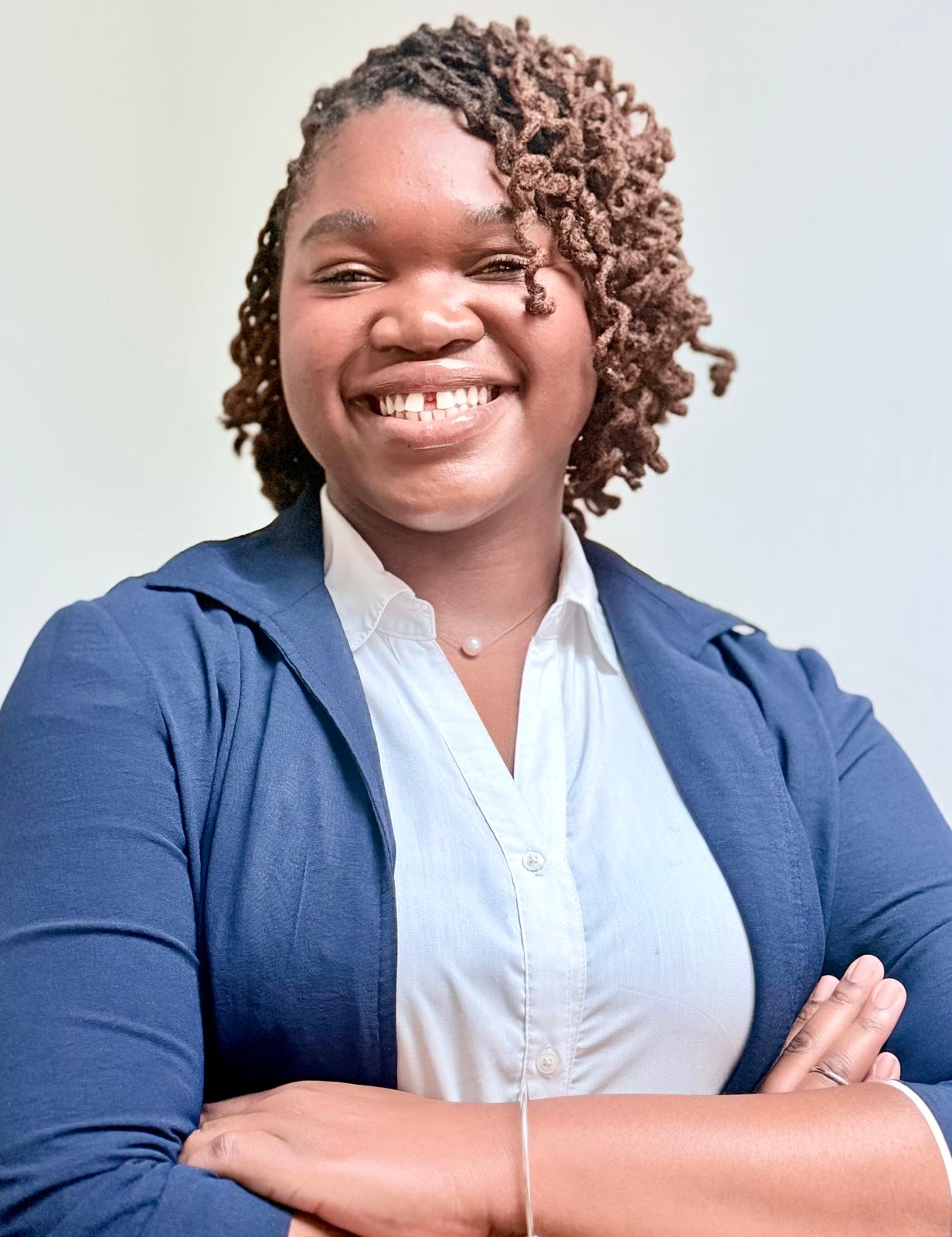
Khdrea Jones
Job Developer, Internal House
Tell me about yourself.
I’m a graduate of the community worker program at George Brown, and I did the accelerated version of the program. As someone who worked in accessible social services, the program was so helpful at recognizing that sometimes where there are barriers, you have to uncover exactly where you're going to help a person to find what they really want.
Talk about what was your favourite part of going through that program? What was a highlight?
What I loved the most was pushing myself but also really creating a community within the program. For those of us who are a part of the accelerated version of the program, we had to really rely on each other. We were all like-minded individuals, and so working together was relatively easy to do. It was really, really intense, and we kept each other awake were able to really form a community in a very short time.
Where did the program take you and what are you doing now?
Right now, I’m a Job Developer at Internal House. My role is supporting woman to find employment. That means helping them with their resume, practicing interviewing skills, and also connecting with employers on their behalf. With my communications background, a big part of my role is working with the employers, and seeking those meaningful connections.
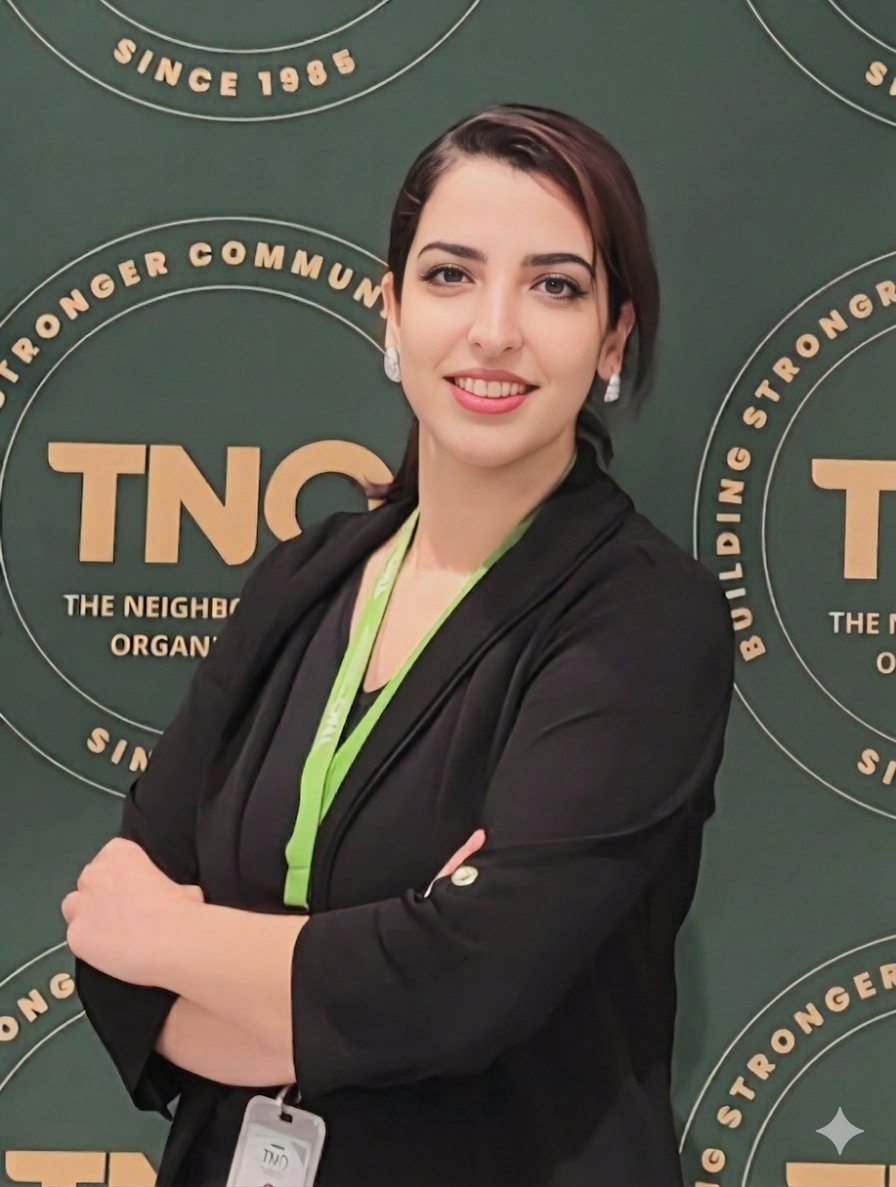
Rebekah Jaberifard
Program and Outreach Facilitator, The Neighbourhood Organization (TNO)
Tell me about your current work. What does your day-to-day look like?
I currently work as a Program and Outreach Facilitator at TNO-The Neighbourhood Organization, focused on the Teesdale, Taylor-Massey, and St. James Town neighbourhoods. A big part of my work is exploring possibilities for collaboration for senior services and programming, because you often do not know what is possible until you start making connections.
What was the biggest lesson in the GBP Community Worker program?
Learning to look at communities through a different lens. The program helped me understand systemic barriers and gave me the confidence to advocate not just for myself, but for the communities I serve. It showed me that my voice matters and that I can use it to support others.
How did the Community Worker program prepare you for the job you have now?
In terms of teamwork, one of my courses specifically focused on group facilitation. This has been extremely helpful in the facilitation aspect of my job. For outreach, I gained a strong framework for approaching communities, including inclusion, accessibility, cultural humility, and an anti-oppressive perspective. I also learned the importance of community-led approaches, reflection, and accountability, which guide how I engage with and support communities.
What would you say to someone considering the Community Worker program?
I would recommend the Community Worker program, especially the accelerated pathway. The first five weeks can be intense and challenging. If you enjoy working with people and like to play a role in advocacy on a broader scale, then this program is a great fit.
Juelene Stennett
Employer Outreach Coordinator, The Dam
What was your favourite part of doing the program?
My favourite part was honestly the challenge of it—so much new information, so many new words and new conversations. The professors were very forward thinkers, very active in community work at the time, so they were able to share their experience with us. It really gave us that sense of community.
Tell us a bit about what you're doing right now.
I work at a local youth-oriented non-profit called the Dam. It's an after-school drop-in where kids can come; they get mentorship, support, encouragement, and skills development. My job is to reach out to local businesses and connect them to potential employees. I'm out in the community daily, making connections.
What would you say to someone who was considering joining the program today?
I would say absolutely do it. Not only just the program, but for me specifically at George Brown, it's advertised as real-life experience, and that's how it felt. It really felt like I was part of that.
I would say for anybody who has goals to work in the community but hasn't known how to place them in terms of like non-profit work, community work, this program is the place to get feedback, to get peer review, to get inspiration and take it out into the real world.