

George Brown Polytechnic is located on the traditional territory of the Mississaugas of the Credit First Nation and other Indigenous peoples who have lived here over time. We are grateful to share this land as treaty people who learn, work and live in the community with each other.
Community Worker
(C101)
Program Details
- Program Code: C101
- Credential: Ontario College Diploma
- Duration: 2 years (4 semesters)
- Method of Study: Full-time
- Starting Months: September
- Domestic Tuition: $3,930.00 *
- International Tuition: $19,085.00 **
- Fall 2026 Delivery: Semester 1, 3: On Campus
Program Availability
| Semester | Domestic | International |
|---|---|---|
| Fall 2026 | Open | Open |
| Winter 2027 | Not Available | Not Available |
| Spring 2027 | Not Available | Not Available |
- Work-Integrated Learning:
Field Placement
- PGWP Eligible: Yes
- CIP Code: 19.0707
- Please note that field of study/CIP code is only one component of PGWP eligibility. Please consult the official IRCC PGWP eligibility webpage (opens in a new tab) for the most current and complete information.
Get answers to your questions
Book info sessionProgram Description
Leadership Claims
Preparing students to work with individuals and communities toward progressive social change for nearly 50 years.
The Community Worker program is one of the few programs of its kind in Canada.
Program Overview
The Community Worker program prepares students to work for progressive social change with organizations, communities, and individuals across a range of issues such as poverty, housing, legal rights, discrimination, food justice, immigration and refugee settlement.
Full Description
The Community Worker (C101) program will teach you the knowledge and skills you need to work with diverse and historically marginalized individuals and communities on a range of concerns. If you are passionate about human rights and social justice, the two-year diploma program is for you.
Whether you are a mature student, a high school graduate or a newcomer or looking for a career change, our diverse and committed student body is a core strength of our program.
This program is proud to be celebrating its 50th anniversary in 2025. If you are an alumnus of the program from 50 years ago, please contact the program coordinator.
This is an approved education program by the Ontario College of Social Workers and Social Service Workers (OCSWSSW). Upon graduation of this program, you may apply to receive the additional designation of RSSW (Registered Social Service Worker). Extra fees may apply.
Community Worker Program Features:
- The School of Social and Community Services has partnerships with more than 350 agencies across the Greater Toronto Area (GTA) and beyond.
- Graduates of Anishnawbe Health Toronto’s (AHT) Community Health Worker Training program can gain direct entry into the second year of the Community Worker program.
- The Tommy Douglas Institute, founded by the Community Worker program faculty, is a progressive space of dialogue for educational communities and wider communities to explore, discuss and advance ideas of critical pedagogy and educating for change in the 21st century. It is also home to the Courage My Friends podcast. Episodes are hosted on rabble.ca and explore community, education, and social justice issues in the 21st century.
The Role of a Community Worker
Emerging from a proud history of community-based organizing, advocacy and activism, community workers work with individuals and communities at all levels (local, national, natural and global) toward positive social change.
Community workers are committed to the full and equal inclusion of all peoples within societies that value equality, diversity and human dignity. The pursuit of social justice is about rights and not charity; working in solidarity with communities, not for them.
Key Skills Taught in the Community Worker Program
Throughout the program, you will have the opportunity to develop a variety of important and high-demand skills, including:
- anti-oppressive and intercultural practices in working with diverse populations
- critical analysis, research, and writing
- group facilitation, counselling and leadership development
- community organizing, activism and advocacy
- community development, project design and funding
- policy analysis and rights-based advocacy
Community Worker Program Structure
The program combines classroom instruction and supervised field placements. In preparation for field placement, you will be required to work in multiple small and large groups within classes and community settings.
Theory, analysis, and practice are presented through a variety of innovative instructional tools developed from popular education and learner-centred approaches to teaching and learning.
Highly engaged classes of dialogue, debate, interactive lectures, guest panels, and group activities will provide you with a current, exciting, and critically engaging program of study.
Program Courses Are Organized into Four Core Areas:
- community work theory and practice
- social and political analysis
- group skills and counselling
- field placement and seminar
Community Worker Faculty
Faculty are experienced educators who bring their passion for education and change to create a highly engaging and dynamic learning environment. The faculty have local, national, and global activism backgrounds, and they remain active on social issues and maintain close ties to communities, activists, and organizations.
Accelerated program
Graduates of a diploma or degree program may be eligible for the Community Worker (Accelerated) (C131) program.
Your Field Education Options
You will develop relationships with our community partners through unpaid field placements and in your classes through networking events and guest panels. Program option courses are often taught by practitioners currently working in the field.
Types of Community Worker Field Placements
You will have the opportunity to develop practical skills and gain valuable professional experience by completing unpaid field placements in semesters 2, 3 and 4.
Through our strong ties to community partners and advocacy organizations, you can find placements suited to your specific interests and on a wide range of issues such as poverty, settlement services, housing, food justice, education, HIV/AIDS, Indigenous services, arts-based agencies and anti-violence. The Community Worker program is the recipient of the South Africa Most Transformative Program Award for 2022/2023 from EDU Africa Virtual Internship.
Note:
In compliance with the requirements of our field partners, all students in this program are required to complete a vulnerable sector check before commencing their field placement. These reference checks, which can take up to four months, are done to protect the clientele of these agencies who are considered “vulnerable persons” under the law. The fees for the reference checks vary by region and must be paid by you. You will be responsible for ensuring that the check covers appropriateness for “individuals being employed and/or volunteering who will be working with vulnerable person(s).” The program will assist you in applying for the vulnerable sector check once you begin the program.
Without a "clear" vulnerable sector check, you may find that your choice of placement is limited. If you find yourself in this situation, you will be encouraged to work with the field education coordinator to identify placement opportunities that do not require the vulnerable sector check. You will also be encouraged to inquire and apply for Suppression and Destruction of Record or Record Suspension (formerly known Pardon) at your specific regional police services, in order to prepare for your future career or employment. For more information, please visit the Clinical Pre-placement website.
Career & Postgraduate Study Opportunities
Educational Pathways
As a Community Worker graduate, you may apply for advanced entry into other programs in the School of Social and Community Services and the School of Early Childhood. You will also be eligible to apply to the following programs:
- Child and Youth Care (Accelerated) (C153)
- Social Service Worker (Accelerated) (C135)
- Assaulted Women and Children's Counsellor Advocate (Accelerated) (C147)
- Early Childhood Education (Fast-Track) (C130)
If you graduate from this program with a high academic standing, you may qualify for pathways to the following programs:
- Community Development B.A. and Community Economic & Social Development B.A. at Algoma University
- Community Development B.A. at Humber College
- Policing & Community Well-Being (B.A) at Trent University
- Professional Communications B.A. and Justice Studies B.A. at Royal Roads University
- You may also explore options to apply to programs at Toronto Metropolitan University and York University
For further information, see Transfer Guide.
Courses
Semester 1
| Code | Course Name |
|---|---|
| COMM2000 | Communicating Across Contexts |
| CWRK1001 | Introduction to Community Work: Field Studies I |
| CWRK1005 | Human Rights in Community Work Practice |
| CWRK1008 | Interpersonal Communication |
| CWRK1020 | Sociology: Understanding Power and Anti-Oppression |
| ISHU1035 | Indigenous Studies |
Semester 2
| Code | Course Name |
|---|---|
| CWRK1030 | Canadian Politics: a Critical Approach |
| CWRK1048 | Climate Justice |
| CWRK1050 | Fieldwork Seminar I |
| CWRK1051 | Fieldwork I |
| CWRK2014 | Community and Campaign Organizing |
| GNED | General Elective |
Semester 3
| Code | Course Name |
|---|---|
| COUN2003 | Counselling |
| CWRK2019 | Canadian Social Policy |
| CWRK2038 | Fieldwork II |
| CWRK2039 | Fieldwork Seminar II |
| CWRK2043 | Community Development: Programs & Funding |
| GNED | General Elective |
Semester 4
| Code | Course Name |
|---|---|
| CWRK2016 | Group Facilitation |
| CWRK2032 | Global Politics |
| CWRK2038 | Fieldwork II |
| CWRK2039 | Fieldwork Seminar II |
| CWRK2044 | Critical Digital Community Work |
| CWRK2046 | Contemporary Issues in the Field of Community Work |
Course Outline URL
Program Learning Outcomes
The graduate has reliably demonstrated the ability to:
- Establish constructive relationships with individuals concerned with community work.
- Describe their personal values and motivation as a community worker.
- Serve in a variety of grassroots community organizations especially in the areas of co-operatives, seniors and community legal services.
- Be comfortable in community work roles ranging from direct service to classical advocacy and organizing.
- Understand and articulate the special needs of multicultural groups.
- Analyze social inequalities and demonstrate creativity in the organization of new services and institutions to meet community needs.
- Work with groups to identify their own needs.
- Access existing services and community resources.
Tuition & Fees
Domestic Tuition
$3,930.00 *
International Tuition
$19,085.00 **
Additional Costs
* Amounts listed are the estimated total of tuition, materials, student service, and ancillary fees for the first two semesters of programs starting in Fall 2025. Fees are subject to change for programs starting in Fall 2026 and at later dates. This fee does not include books, which are to be purchased by the student separately.
** Amounts listed are the estimated total of tuition, materials, student service and ancillary fees for the first two semesters of programs starting in Fall 2026. Tuition fees are subject to board approval. Material, student service and ancillary fees are estimated based on prior years. All fees are subject to change without notice. This fee does not include books, which are to be purchased by the student separately.
International Students
Visit the International Fees and Related Costs page for more information.
Financial Assistance
This program is approved for OSAP funding, provided the applicant meets OSAP eligibility criteria.
Each year we award over $2 million dollars in scholarships, awards and bursaries to first-year students. Check out our financial aid webpages for ways to pay for college and the full list of available scholarships, awards and bursaries.
Admission Requirements
Applicants are selected on the basis of their academic achievement, including the required courses, and any other selection criteria outlined below.
- Ontario Secondary School Diploma or equivalent**
- grade 12 English (C or U)
Note: Attending an information session is highly recommended.
** Mature Student Status (19 years of age or older and no OSSD)
Mature students may take the Admissions Assessment for English OR may consider upgrading to achieve the credit(s) needed in English.
Please note that George Brown is committed to ensuring that applicants will succeed in their program of choice and meeting the minimum requirements does not guarantee admission to the program. Applicants may be required to have grades higher than the minimum requirements stated.
Course Exemptions
College or university credits may qualify you for course exemptions. Please visit Transfer Guide for more information.
International Students
Visit the International Admissions page for more information regarding country specific admission requirements.
Special Requirements
Vulnerable Sector Check requirements and program policy
In compliance with the requirements of our field partners, all students in this program are encouraged to complete a Vulnerable Sector Check before commencing their field placement. These reference checks, which can take up to four months, are done to protect the clientele of these agencies who are considered “vulnerable persons” under the law. The fees for the vulnerable sector check vary by region and must be paid by the student. Students are responsible for ensuring that the check covers appropriateness for “individuals being employed and/or volunteering who will be working with vulnerable person(s).” The program will assist students in applying for VSC once they begin the program. Students without a clear vulnerable sector check record may find that their choice of placement is limited. Students in this situation are encouraged to work with the field education co-ordinator to identify placement opportunities that do not require the vulnerable sector check. Students are also encouraged to inquire and apply for Suppression and Destruction of Record or Record Suspension (formerly known as Pardon) at their specific regional police services, in order to prepare for their future career or employment. For more information, please visit the Clinical Pre-placement Office website.
Our field placement partners may require students to show proof of vaccination. It is your responsibility to ensure all pre-placement requirements are met.
How to Apply
Domestic students should apply through Ontario Colleges.
International Students
Visit the How to Apply page for more information on how and when to apply.
International students should apply through the George Brown Polytechnic Online Application System.
Contact Us
School of Social & Community Services
Email: communityservices@georgebrown.ca
Community Worker Program Coordinator:
Farhia Abdi Email: fabdi7@georgebrown.ca
International Students
Contact one of our international recruitment representatives specializing by country of origin by either booking a virtual meeting or submitting an inquiry. For more information visit the International Contact Us page
Program Description
Leadership Claims
Preparing students to work with individuals and communities toward progressive social change for nearly 50 years.
The Community Worker program is one of the few programs of its kind in Canada.
Program Overview
The Community Worker program prepares students to work for progressive social change with organizations, communities, and individuals across a range of issues such as poverty, housing, legal rights, discrimination, food justice, immigration and refugee settlement.
Full Description
The Community Worker (C101) program will teach you the knowledge and skills you need to work with diverse and historically marginalized individuals and communities on a range of concerns. If you are passionate about human rights and social justice, the two-year diploma program is for you.
Whether you are a mature student, a high school graduate or a newcomer or looking for a career change, our diverse and committed student body is a core strength of our program.
This program is proud to be celebrating its 50th anniversary in 2025. If you are an alumnus of the program from 50 years ago, please contact the program coordinator.
This is an approved education program by the Ontario College of Social Workers and Social Service Workers (OCSWSSW). Upon graduation of this program, you may apply to receive the additional designation of RSSW (Registered Social Service Worker). Extra fees may apply.
Community Worker Program Features:
- The School of Social and Community Services has partnerships with more than 350 agencies across the Greater Toronto Area (GTA) and beyond.
- Graduates of Anishnawbe Health Toronto’s (AHT) Community Health Worker Training program can gain direct entry into the second year of the Community Worker program.
- The Tommy Douglas Institute, founded by the Community Worker program faculty, is a progressive space of dialogue for educational communities and wider communities to explore, discuss and advance ideas of critical pedagogy and educating for change in the 21st century. It is also home to the Courage My Friends podcast. Episodes are hosted on rabble.ca and explore community, education, and social justice issues in the 21st century.
The Role of a Community Worker
Emerging from a proud history of community-based organizing, advocacy and activism, community workers work with individuals and communities at all levels (local, national, natural and global) toward positive social change.
Community workers are committed to the full and equal inclusion of all peoples within societies that value equality, diversity and human dignity. The pursuit of social justice is about rights and not charity; working in solidarity with communities, not for them.
Key Skills Taught in the Community Worker Program
Throughout the program, you will have the opportunity to develop a variety of important and high-demand skills, including:
- anti-oppressive and intercultural practices in working with diverse populations
- critical analysis, research, and writing
- group facilitation, counselling and leadership development
- community organizing, activism and advocacy
- community development, project design and funding
- policy analysis and rights-based advocacy
Community Worker Program Structure
The program combines classroom instruction and supervised field placements. In preparation for field placement, you will be required to work in multiple small and large groups within classes and community settings.
Theory, analysis, and practice are presented through a variety of innovative instructional tools developed from popular education and learner-centred approaches to teaching and learning.
Highly engaged classes of dialogue, debate, interactive lectures, guest panels, and group activities will provide you with a current, exciting, and critically engaging program of study.
Program Courses Are Organized into Four Core Areas:
- community work theory and practice
- social and political analysis
- group skills and counselling
- field placement and seminar
Community Worker Faculty
Faculty are experienced educators who bring their passion for education and change to create a highly engaging and dynamic learning environment. The faculty have local, national, and global activism backgrounds, and they remain active on social issues and maintain close ties to communities, activists, and organizations.
Accelerated program
Graduates of a diploma or degree program may be eligible for the Community Worker (Accelerated) (C131) program.
Your Field Education Options
You will develop relationships with our community partners through unpaid field placements and in your classes through networking events and guest panels. Program option courses are often taught by practitioners currently working in the field.
Types of Community Worker Field Placements
You will have the opportunity to develop practical skills and gain valuable professional experience by completing unpaid field placements in semesters 2, 3 and 4.
Through our strong ties to community partners and advocacy organizations, you can find placements suited to your specific interests and on a wide range of issues such as poverty, settlement services, housing, food justice, education, HIV/AIDS, Indigenous services, arts-based agencies and anti-violence. The Community Worker program is the recipient of the South Africa Most Transformative Program Award for 2022/2023 from EDU Africa Virtual Internship.
Note:
In compliance with the requirements of our field partners, all students in this program are required to complete a vulnerable sector check before commencing their field placement. These reference checks, which can take up to four months, are done to protect the clientele of these agencies who are considered “vulnerable persons” under the law. The fees for the reference checks vary by region and must be paid by you. You will be responsible for ensuring that the check covers appropriateness for “individuals being employed and/or volunteering who will be working with vulnerable person(s).” The program will assist you in applying for the vulnerable sector check once you begin the program.
Without a "clear" vulnerable sector check, you may find that your choice of placement is limited. If you find yourself in this situation, you will be encouraged to work with the field education coordinator to identify placement opportunities that do not require the vulnerable sector check. You will also be encouraged to inquire and apply for Suppression and Destruction of Record or Record Suspension (formerly known Pardon) at your specific regional police services, in order to prepare for your future career or employment. For more information, please visit the Clinical Pre-placement website.
Career & Postgraduate Study Opportunities
Educational Pathways
As a Community Worker graduate, you may apply for advanced entry into other programs in the School of Social and Community Services and the School of Early Childhood. You will also be eligible to apply to the following programs:
- Child and Youth Care (Accelerated) (C153)
- Social Service Worker (Accelerated) (C135)
- Assaulted Women and Children's Counsellor Advocate (Accelerated) (C147)
- Early Childhood Education (Fast-Track) (C130)
If you graduate from this program with a high academic standing, you may qualify for pathways to the following programs:
- Community Development B.A. and Community Economic & Social Development B.A. at Algoma University
- Community Development B.A. at Humber College
- Policing & Community Well-Being (B.A) at Trent University
- Professional Communications B.A. and Justice Studies B.A. at Royal Roads University
- You may also explore options to apply to programs at Toronto Metropolitan University and York University
For further information, see Transfer Guide.
Courses
Semester 1
| Code | Course Name |
|---|---|
| COMM2000 | Communicating Across Contexts |
| CWRK1001 | Introduction to Community Work: Field Studies I |
| CWRK1005 | Human Rights in Community Work Practice |
| CWRK1008 | Interpersonal Communication |
| CWRK1020 | Sociology: Understanding Power and Anti-Oppression |
| ISHU1035 | Indigenous Studies |
Semester 2
| Code | Course Name |
|---|---|
| CWRK1030 | Canadian Politics: a Critical Approach |
| CWRK1048 | Climate Justice |
| CWRK1050 | Fieldwork Seminar I |
| CWRK1051 | Fieldwork I |
| CWRK2014 | Community and Campaign Organizing |
| GNED | General Elective |
Semester 3
| Code | Course Name |
|---|---|
| COUN2003 | Counselling |
| CWRK2019 | Canadian Social Policy |
| CWRK2038 | Fieldwork II |
| CWRK2039 | Fieldwork Seminar II |
| CWRK2043 | Community Development: Programs & Funding |
| GNED | General Elective |
Semester 4
| Code | Course Name |
|---|---|
| CWRK2016 | Group Facilitation |
| CWRK2032 | Global Politics |
| CWRK2038 | Fieldwork II |
| CWRK2039 | Fieldwork Seminar II |
| CWRK2044 | Critical Digital Community Work |
| CWRK2046 | Contemporary Issues in the Field of Community Work |
Course Outline URL
Tuition & Fees
Domestic Tuition
$3,930.00 *
International Tuition
$19,085.00 **
Additional Costs
* Amounts listed are the estimated total of tuition, materials, student service, and ancillary fees for the first two semesters of programs starting in Fall 2025. Fees are subject to change for programs starting in Fall 2026 and at later dates. This fee does not include books, which are to be purchased by the student separately.
** Amounts listed are the estimated total of tuition, materials, student service and ancillary fees for the first two semesters of programs starting in Fall 2026. Tuition fees are subject to board approval. Material, student service and ancillary fees are estimated based on prior years. All fees are subject to change without notice. This fee does not include books, which are to be purchased by the student separately.
International Students
Visit the International Fees and Related Costs page for more information.
Financial Assistance
This program is approved for OSAP funding, provided the applicant meets OSAP eligibility criteria.
Each year we award over $2 million dollars in scholarships, awards and bursaries to first-year students. Check out our financial aid webpages for ways to pay for college and the full list of available scholarships, awards and bursaries.
Admission Requirements
Applicants are selected on the basis of their academic achievement, including the required courses, and any other selection criteria outlined below.
- Ontario Secondary School Diploma or equivalent**
- grade 12 English (C or U)
Note: Attending an information session is highly recommended.
** Mature Student Status (19 years of age or older and no OSSD)
Mature students may take the Admissions Assessment for English OR may consider upgrading to achieve the credit(s) needed in English.
Please note that George Brown is committed to ensuring that applicants will succeed in their program of choice and meeting the minimum requirements does not guarantee admission to the program. Applicants may be required to have grades higher than the minimum requirements stated.
Course Exemptions
College or university credits may qualify you for course exemptions. Please visit Transfer Guide for more information.
International Students
Visit the International Admissions page for more information regarding country specific admission requirements.
Special Requirements
Vulnerable Sector Check requirements and program policy
In compliance with the requirements of our field partners, all students in this program are encouraged to complete a Vulnerable Sector Check before commencing their field placement. These reference checks, which can take up to four months, are done to protect the clientele of these agencies who are considered “vulnerable persons” under the law. The fees for the vulnerable sector check vary by region and must be paid by the student. Students are responsible for ensuring that the check covers appropriateness for “individuals being employed and/or volunteering who will be working with vulnerable person(s).” The program will assist students in applying for VSC once they begin the program. Students without a clear vulnerable sector check record may find that their choice of placement is limited. Students in this situation are encouraged to work with the field education co-ordinator to identify placement opportunities that do not require the vulnerable sector check. Students are also encouraged to inquire and apply for Suppression and Destruction of Record or Record Suspension (formerly known as Pardon) at their specific regional police services, in order to prepare for their future career or employment. For more information, please visit the Clinical Pre-placement Office website.
Our field placement partners may require students to show proof of vaccination. It is your responsibility to ensure all pre-placement requirements are met.
How to Apply
Domestic students should apply through Ontario Colleges.
International Students
Visit the How to Apply page for more information on how and when to apply.
International students should apply through the George Brown Polytechnic Online Application System.
Program Learning Outcomes
The graduate has reliably demonstrated the ability to:
- Establish constructive relationships with individuals concerned with community work.
- Describe their personal values and motivation as a community worker.
- Serve in a variety of grassroots community organizations especially in the areas of co-operatives, seniors and community legal services.
- Be comfortable in community work roles ranging from direct service to classical advocacy and organizing.
- Understand and articulate the special needs of multicultural groups.
- Analyze social inequalities and demonstrate creativity in the organization of new services and institutions to meet community needs.
- Work with groups to identify their own needs.
- Access existing services and community resources.
Contact Us
School of Social & Community Services
Email: communityservices@georgebrown.ca
Community Worker Program Coordinator:
Farhia Abdi Email: fabdi7@georgebrown.ca
International Students
Contact one of our international recruitment representatives specializing by country of origin by either booking a virtual meeting or submitting an inquiry. For more information visit the International Contact Us page

Visit St. James Campus
Book campus tourGet answers to your questions
Book info session
I’m a graduate of the community worker program at George Brown, and I did the accelerated version of the program. As someone who worked in accessible social services, the program was so helpful at recognizing that sometimes where there are barriers, you have to uncover exactly where you're going to help a person to find what they really want.
Khdrea Jones
Ontario College Diploma

I currently work as a Program and Outreach Facilitator at TNO-The Neighbourhood Organization, focused on the Teesdale, Taylor-Massey, and St. James Town neighbourhoods. A big part of my work is exploring possibilities for collaboration for senior services and programming, because you often do not know what is possible until you start making connections.
Rebekah Jaberifard
Ontario College Diploma
My favourite part was honestly the challenge of it—so much new information, so many new words and new conversations. The professors were very forward thinkers, very active in community work at the time, so they were able to share their experience with us. It really gave us that sense of community.
Juelene Stennett
Ontario College Diploma
Watch what this current student in the Community Worker program had to say about her recent online learning experience.
Gigi Chiamoh, Community Worker (C101) Student
Ontario College Diploma

I got to pick a practicum that was unique to me and actually do, in the field, what I wanted to be doing when I graduated. I think that’s invaluable. I couldn’t have asked for anything more.
-Premier's Award nominee, community services category, 2023.
Kayla Moryoussef
Ontario College Diploma
"My time in the Community Worker program has been invaluable, especially the practical experience I gained during my placement. The professors in the program also pushed me to expand my critical skills by creating meaningful dialogue and acknowledging lived experiences. The skills I gained from the program will stay with me as I go into the field and pursue higher education."
Amina Hagar
Ontario College Diploma
"The Community Worker program was a truly eye-opening experience which allowed me to define what my real passions are. Be it during the placements, the classes or the readings, each one assisted me to better understand the complexities of the state of society. The field placements allowed me to apply my classroom learning and were very beneficial for my current career goals. I would definitely recommend this program to anyone seeking a new career or wishing to enter the social services through an advocacy and social justice lens."
Jorge Cordero
Ontario College Diploma
"The Community Worker program taught me how to succeed in the field with critical thinking skills, human rights and anti-oppressive based frameworks. The program prepared me for the challenges and joys of working in the field. Wherever I go, I am praised for studying in the Community Worker program. My workplace has more Community Workers from George Brown than anywhere else!"
Natalie Illanes Nogueira
Ontario College Diploma
"If you are interested in working with communities to make society better, then this program is for you. Experienced professors will give you the tools and support you need to effectively advocate for change. Going to the Community Worker program played a major role in getting my first full-time position in the field straight out of school."
Michael Waglay
Ontario College Diploma
"This program offers an excellent balance between practical skill building, and the development of theoretical analysis. While you will become accredited to work in the social service work field, you will also develop a more critical understanding of society. I feel more able to articulate the injustices that I see in the world around me, and more prepared to participate in strategies toward social change."
Emily Green
Ontario College Diploma
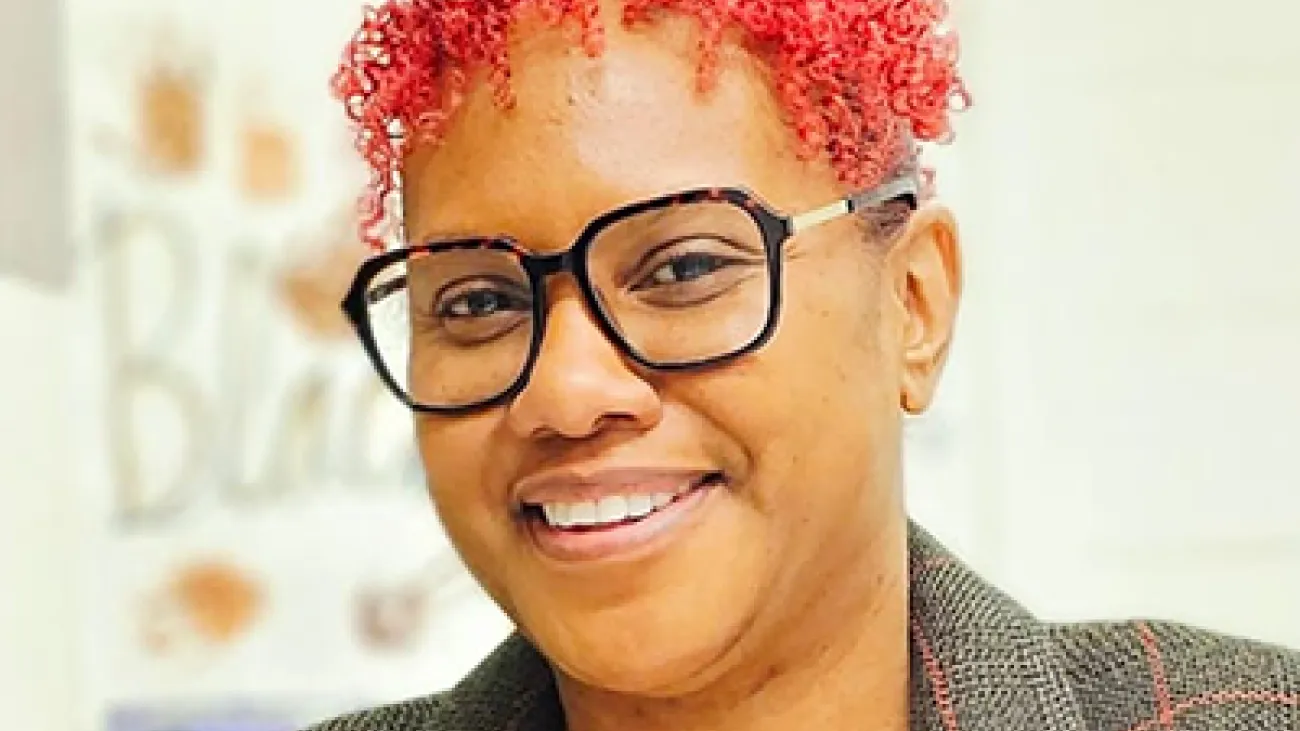
The Community Worker program helped me understand the importance of listening to communities, building trust, and working in ways that are responsive to people’s lived experiences. Those lessons have stayed with me throughout my career and continue to guide how I support Black students, families, schools, and community partners today.
Kai Gordon
Ontario College Diploma
George BrOWN Your Tomorrow! Join our mailing list for important dates, program updates, future student events, helpful tips and more.
Visit
Our Virtual Tour showcases the following areas:
- Campus Facilities
- Student Services
- Applied Learning Environments
- Labs & Classrooms
Community Worker
(C101)
Program Details
- Program Code: C101
- Credential: Ontario College Diploma
- Duration: 2 years (4 semesters)
- Method of Study: Full-time
- Starting Months: September
- Domestic Tuition: $3,884.00 *
- International Tuition: $18,525.00 **
- Spring 2026 Delivery: Not Available
Program Availability
| Semester | Domestic | International |
|---|---|---|
| Fall 2025 | Closed | Closed |
| Winter 2026 | Not Available | Not Available |
| Spring 2026 | Not Available | Not Available |
- Work-Integrated Learning:
Field Placement
- PGWP Eligible: Yes
- CIP Code: 19.0707
- Please note that field of study/CIP code is only one component of PGWP eligibility. Please consult the official IRCC PGWP eligibility webpage (opens in a new tab) for the most current and complete information.
Get answers to your questions
Book info sessionProgram Description
Leadership Claims
Preparing students to work with individuals and communities toward progressive social change for nearly 50 years.
The Community Worker program is one of the few programs of its kind in Canada.
Program Overview
The Community Worker program prepares students to work for progressive social change with organizations, communities, and individuals across a range of issues such as poverty, housing, legal rights, discrimination, food justice, immigration and refugee settlement.
Full Description
The Community Worker (C101) program will teach you the knowledge and skills you need to work with diverse and historically marginalized individuals and communities on a range of concerns. If you are passionate about human rights and social justice, the two-year diploma program is for you.
Whether you are a mature student, a high school graduate or a newcomer or looking for a career change, our diverse and committed student body is a core strength of our program.
This program is proud to be celebrating its 50th anniversary in 2025. If you are an alumnus of the program from 50 years ago, please contact the program coordinator.
This is an approved education program by the Ontario College of Social Workers and Social Service Workers (OCSWSSW). Upon graduation of this program, you may apply to receive the additional designation of RSSW (Registered Social Service Worker). Extra fees may apply.
Community Worker Program Features:
- The School of Social and Community Services has partnerships with more than 350 agencies across the Greater Toronto Area (GTA) and beyond.
- Graduates of Anishnawbe Health Toronto’s (AHT) Community Health Worker Training program can gain direct entry into the second year of the Community Worker program.
- The Tommy Douglas Institute of Labour and Social Justice, founded by the Community Worker program faculty, is a progressive space of dialogue for educational communities and wider communities to explore, discuss and advance ideas of critical pedagogy and educating for change in the 21st century. It is also home to the Courage My Friends podcast. Episodes are hosted on rabble.ca and explore community, education, and social justice issues in the 21st century.
The Role of a Community Worker
Emerging from a proud history of community-based organizing, advocacy and activism, community workers work with individuals and communities at all levels (local, national, natural and global) toward positive social change.
Community workers are committed to the full and equal inclusion of all peoples within societies that value equality, diversity and human dignity. The pursuit of social justice is about rights and not charity; working in solidarity with communities, not for them.
Key Skills Taught in the Community Worker Program
Throughout the program, you will have the opportunity to develop a variety of important and high-demand skills, including:
- anti-oppressive and intercultural practices in working with diverse populations
- critical analysis, research, and writing
- group facilitation, counselling and leadership development
- community organizing, activism and advocacy
- community development, project design and funding
- policy analysis and rights-based advocacy
Community Worker Program Structure
The program combines classroom instruction and supervised field placements. In preparation for field placement, you will be required to work in multiple small and large groups within classes and community settings.
Theory, analysis, and practice are presented through a variety of innovative instructional tools developed from popular education and learner-centred approaches to teaching and learning.
Highly engaged classes of dialogue, debate, interactive lectures, guest panels, and group activities will provide you with a current, exciting, and critically engaging program of study.
Program Courses Are Organized into Four Core Areas:
- community work theory and practice
- social and political analysis
- group skills and counselling
- field placement and seminar
Community Worker Faculty
Faculty are experienced educators who bring their passion for education and change to create a highly engaging and dynamic learning environment. The faculty have local, national, and global activism backgrounds, and they remain active on social issues and maintain close ties to communities, activists, and organizations.
Accelerated program
Graduates of a diploma or degree program may be eligible for the Community Worker (Accelerated) (C131) program.
Your Field Education Options
You will develop relationships with our community partners through unpaid field placements and in your classes through networking events and guest panels. Program option courses are often taught by practitioners currently working in the field.
Types of Community Worker Field Placements
You will have the opportunity to develop practical skills and gain valuable professional experience by completing unpaid field placements in semesters 2, 3 and 4.
Through our strong ties to community partners and advocacy organizations, you can find placements suited to your specific interests and on a wide range of issues such as poverty, settlement services, housing, food justice, education, HIV/AIDS, Indigenous services, arts-based agencies and anti-violence. The Community Worker program is the recipient of the South Africa Most Transformative Program Award for 2022/2023 from EDU Africa Virtual Internship.
Note:
In compliance with the requirements of our field partners, all students in this program are required to complete a vulnerable sector check before commencing their field placement. These reference checks, which can take up to four months, are done to protect the clientele of these agencies who are considered “vulnerable persons” under the law. The fees for the reference checks vary by region and must be paid by you. You will be responsible for ensuring that the check covers appropriateness for “individuals being employed and/or volunteering who will be working with vulnerable person(s).” The program will assist you in applying for the vulnerable sector check once you begin the program.
Without a "clear" vulnerable sector check, you may find that your choice of placement is limited. If you find yourself in this situation, you will be encouraged to work with the field education coordinator to identify placement opportunities that do not require the vulnerable sector check. You will also be encouraged to inquire and apply for Suppression and Destruction of Record or Record Suspension (formerly known Pardon) at your specific regional police services, in order to prepare for your future career or employment. For more information, please visit the Clinical Pre-placement website.
Career & Postgraduate Study Opportunities
Educational Pathways
As a Community Worker graduate, you may apply for advanced entry into other programs in the School of Social and Community Services and the School of Early Childhood. You will also be eligible to apply to the following programs:
- Child and Youth Care (Accelerated) (C153)
- Social Service Worker (Accelerated) (C135)
- Assaulted Women and Children's Counsellor Advocate (Accelerated) (C147)
- Early Childhood Education (Fast-Track) (C130)
If you graduate from this program with a high academic standing, you may qualify for pathways to the following programs:
- Community Development B.A. and Community Economic & Social Development B.A. at Algoma University
- Community Development B.A. at Humber College
- Policing & Community Well-Being (B.A) at Trent University
- Professional Communications B.A. and Justice Studies B.A. at Royal Roads University
- You may also explore options to apply to programs at Toronto Metropolitan University and York University
For further information, see Transfer Guide.
Alumni Impact
We are immensely proud of the contributions of our alumni in Toronto and around the globe.
From Michelin-starred restaurants to major construction, entertainment, community and financial organizations, our graduates are truly making an impact across a range of industries.
Courses
Semester 1
| Code | Course Name |
|---|---|
| COMM2000 | Communicating Across Contexts |
| CWRK1001 | Introduction to Community Work: Field Studies I |
| CWRK1005 | Human Rights in Community Work Practice |
| CWRK1008 | Interpersonal Communication |
| CWRK1020 | Sociology: Understanding Power and Anti-Oppression |
| ISHU1035 | Indigenous Studies |
Semester 2
| Code | Course Name |
|---|---|
| CWRK1030 | Canadian Politics: a Critical Approach |
| CWRK1048 | Climate Justice |
| CWRK1050 | Fieldwork Seminar I |
| CWRK1051 | Fieldwork I |
| CWRK2014 | Community and Campaign Organizing |
| GNED | General Elective |
Semester 3
| Code | Course Name |
|---|---|
| COUN2003 | Counselling |
| CWRK2019 | Canadian Social Policy |
| CWRK2038 | Fieldwork II |
| CWRK2039 | Fieldwork Seminar II |
| CWRK2043 | Community Development: Programs & Funding |
| GNED | General Elective |
Semester 4
| Code | Course Name |
|---|---|
| CWRK2016 | Group Facilitation |
| CWRK2032 | Global Politics |
| CWRK2038 | Fieldwork II |
| CWRK2039 | Fieldwork Seminar II |
| CWRK2044 | Critical Digital Community Work |
| CWRK2046 | Contemporary Issues in the Field of Community Work |
Course Outline URL
Program Learning Outcomes
The graduate has reliably demonstrated the ability to:
- Establish constructive relationships with individuals concerned with community work.
- Describe their personal values and motivation as a community worker.
- Serve in a variety of grassroots community organizations especially in the areas of co-operatives, seniors and community legal services.
- Be comfortable in community work roles ranging from direct service to classical advocacy and organizing.
- Understand and articulate the special needs of multicultural groups.
- Analyze social inequalities and demonstrate creativity in the organization of new services and institutions to meet community needs.
- Work with groups to identify their own needs.
- Access existing services and community resources.
Tuition & Fees
Domestic Tuition
$3,884.00 *
International Tuition
$18,525.00 **
Additional Costs
* Amounts listed are the estimated total of tuition, materials, student service, and ancillary fees for the first two semesters of programs starting in Fall 2024. Fees are subject to change for programs starting in Fall 2025 and at later dates. This fee does not include books, which are to be purchased by the student separately.
** Amounts listed are the estimated total of tuition, materials, student service and ancillary fees for the first two semesters of programs starting in Fall 2025. Tuition fees are subject to board approval. Material, student service and ancillary fees are estimated based on prior years. All fees are subject to change without notice. This fee does not include books, which are to be purchased by the student separately.
International Students
Visit the International Fees and Related Costs page for more information.
Financial Assistance
This program is approved for OSAP funding, provided the applicant meets OSAP eligibility criteria.
Each year we award over $2 million dollars in scholarships, awards and bursaries to first-year students. Check out our financial aid webpages for ways to pay for college and the full list of available scholarships, awards and bursaries.
Admission Requirements
Applicants are selected on the basis of their academic achievement, including the required courses, and any other selection criteria outlined below.
- Ontario Secondary School Diploma or equivalent**
- grade 12 English (C or U)
NOTE: Attending an information session is highly recommended.
** Mature Student Status (19 years of age or older and no OSSD)
Mature students may take the Admissions Assessment for English OR may consider upgrading to achieve the credit(s) needed in English.
Please note that George Brown is committed to ensuring that applicants will succeed in their program of choice and meeting the minimum requirements does not guarantee admission to the program. Applicants may be required to have grades higher than the minimum requirements stated.
Course Exemptions
College or university credits may qualify you for course exemptions. Please visit Transfer Guide for more information.
International Students
Visit the International Admissions page for more information regarding country specific admission requirements.
Special Requirements
Vulnerable Sector Check requirements and program policy
In compliance with the requirements of our field partners, all students in this program are encouraged to complete a Vulnerable Sector Check before commencing their field placement. These reference checks, which can take up to four months, are done to protect the clientele of these agencies who are considered “vulnerable persons” under the law. The fees for the vulnerable sector check vary by region and must be paid by the student. Students are responsible for ensuring that the check covers appropriateness for “individuals being employed and/or volunteering who will be working with vulnerable person(s).” The program will assist students in applying for VSC once they begin the program. Students without a clear vulnerable sector check record may find that their choice of placement is limited. Students in this situation are encouraged to work with the field education co-ordinator to identify placement opportunities that do not require the vulnerable sector check. Students are also encouraged to inquire and apply for Suppression and Destruction of Record or Record Suspension (formerly known as Pardon) at their specific regional police services, in order to prepare for their future career or employment. For more information, please visit the Clinical Pre-placement Office website.
Our field placement partners may require students to show proof of vaccination. It is your responsibility to ensure all pre-placement requirements are met.
How to Apply
Domestic students should apply through Ontario Colleges.
International Students
Visit the How to Apply page for more information on how and when to apply.
International students should apply through the George Brown Polytechnic Online Application System.
Contact Us
School of Social & Community Services
Email: communityservices@georgebrown.ca
Community Worker Program Coordinator:
Farhia Abdi Email: fabdi7@georgebrown.ca
International Students
Contact one of our international recruitment representatives specializing by country of origin by either booking a virtual meeting or submitting an inquiry. For more information visit the International Contact Us page
Program Description
Leadership Claims
Preparing students to work with individuals and communities toward progressive social change for nearly 50 years.
The Community Worker program is one of the few programs of its kind in Canada.
Program Overview
The Community Worker program prepares students to work for progressive social change with organizations, communities, and individuals across a range of issues such as poverty, housing, legal rights, discrimination, food justice, immigration and refugee settlement.
Full Description
The Community Worker (C101) program will teach you the knowledge and skills you need to work with diverse and historically marginalized individuals and communities on a range of concerns. If you are passionate about human rights and social justice, the two-year diploma program is for you.
Whether you are a mature student, a high school graduate or a newcomer or looking for a career change, our diverse and committed student body is a core strength of our program.
This program is proud to be celebrating its 50th anniversary in 2025. If you are an alumnus of the program from 50 years ago, please contact the program coordinator.
This is an approved education program by the Ontario College of Social Workers and Social Service Workers (OCSWSSW). Upon graduation of this program, you may apply to receive the additional designation of RSSW (Registered Social Service Worker). Extra fees may apply.
Community Worker Program Features:
- The School of Social and Community Services has partnerships with more than 350 agencies across the Greater Toronto Area (GTA) and beyond.
- Graduates of Anishnawbe Health Toronto’s (AHT) Community Health Worker Training program can gain direct entry into the second year of the Community Worker program.
- The Tommy Douglas Institute of Labour and Social Justice, founded by the Community Worker program faculty, is a progressive space of dialogue for educational communities and wider communities to explore, discuss and advance ideas of critical pedagogy and educating for change in the 21st century. It is also home to the Courage My Friends podcast. Episodes are hosted on rabble.ca and explore community, education, and social justice issues in the 21st century.
The Role of a Community Worker
Emerging from a proud history of community-based organizing, advocacy and activism, community workers work with individuals and communities at all levels (local, national, natural and global) toward positive social change.
Community workers are committed to the full and equal inclusion of all peoples within societies that value equality, diversity and human dignity. The pursuit of social justice is about rights and not charity; working in solidarity with communities, not for them.
Key Skills Taught in the Community Worker Program
Throughout the program, you will have the opportunity to develop a variety of important and high-demand skills, including:
- anti-oppressive and intercultural practices in working with diverse populations
- critical analysis, research, and writing
- group facilitation, counselling and leadership development
- community organizing, activism and advocacy
- community development, project design and funding
- policy analysis and rights-based advocacy
Community Worker Program Structure
The program combines classroom instruction and supervised field placements. In preparation for field placement, you will be required to work in multiple small and large groups within classes and community settings.
Theory, analysis, and practice are presented through a variety of innovative instructional tools developed from popular education and learner-centred approaches to teaching and learning.
Highly engaged classes of dialogue, debate, interactive lectures, guest panels, and group activities will provide you with a current, exciting, and critically engaging program of study.
Program Courses Are Organized into Four Core Areas:
- community work theory and practice
- social and political analysis
- group skills and counselling
- field placement and seminar
Community Worker Faculty
Faculty are experienced educators who bring their passion for education and change to create a highly engaging and dynamic learning environment. The faculty have local, national, and global activism backgrounds, and they remain active on social issues and maintain close ties to communities, activists, and organizations.
Accelerated program
Graduates of a diploma or degree program may be eligible for the Community Worker (Accelerated) (C131) program.
Your Field Education Options
You will develop relationships with our community partners through unpaid field placements and in your classes through networking events and guest panels. Program option courses are often taught by practitioners currently working in the field.
Types of Community Worker Field Placements
You will have the opportunity to develop practical skills and gain valuable professional experience by completing unpaid field placements in semesters 2, 3 and 4.
Through our strong ties to community partners and advocacy organizations, you can find placements suited to your specific interests and on a wide range of issues such as poverty, settlement services, housing, food justice, education, HIV/AIDS, Indigenous services, arts-based agencies and anti-violence. The Community Worker program is the recipient of the South Africa Most Transformative Program Award for 2022/2023 from EDU Africa Virtual Internship.
Note:
In compliance with the requirements of our field partners, all students in this program are required to complete a vulnerable sector check before commencing their field placement. These reference checks, which can take up to four months, are done to protect the clientele of these agencies who are considered “vulnerable persons” under the law. The fees for the reference checks vary by region and must be paid by you. You will be responsible for ensuring that the check covers appropriateness for “individuals being employed and/or volunteering who will be working with vulnerable person(s).” The program will assist you in applying for the vulnerable sector check once you begin the program.
Without a "clear" vulnerable sector check, you may find that your choice of placement is limited. If you find yourself in this situation, you will be encouraged to work with the field education coordinator to identify placement opportunities that do not require the vulnerable sector check. You will also be encouraged to inquire and apply for Suppression and Destruction of Record or Record Suspension (formerly known Pardon) at your specific regional police services, in order to prepare for your future career or employment. For more information, please visit the Clinical Pre-placement website.
Career & Postgraduate Study Opportunities
Educational Pathways
As a Community Worker graduate, you may apply for advanced entry into other programs in the School of Social and Community Services and the School of Early Childhood. You will also be eligible to apply to the following programs:
- Child and Youth Care (Accelerated) (C153)
- Social Service Worker (Accelerated) (C135)
- Assaulted Women and Children's Counsellor Advocate (Accelerated) (C147)
- Early Childhood Education (Fast-Track) (C130)
If you graduate from this program with a high academic standing, you may qualify for pathways to the following programs:
- Community Development B.A. and Community Economic & Social Development B.A. at Algoma University
- Community Development B.A. at Humber College
- Policing & Community Well-Being (B.A) at Trent University
- Professional Communications B.A. and Justice Studies B.A. at Royal Roads University
- You may also explore options to apply to programs at Toronto Metropolitan University and York University
For further information, see Transfer Guide.
Alumni Impact
We are immensely proud of the contributions of our alumni in Toronto and around the globe.
From Michelin-starred restaurants to major construction, entertainment, community and financial organizations, our graduates are truly making an impact across a range of industries.
Courses
Semester 1
| Code | Course Name |
|---|---|
| COMM2000 | Communicating Across Contexts |
| CWRK1001 | Introduction to Community Work: Field Studies I |
| CWRK1005 | Human Rights in Community Work Practice |
| CWRK1008 | Interpersonal Communication |
| CWRK1020 | Sociology: Understanding Power and Anti-Oppression |
| ISHU1035 | Indigenous Studies |
Semester 2
| Code | Course Name |
|---|---|
| CWRK1030 | Canadian Politics: a Critical Approach |
| CWRK1048 | Climate Justice |
| CWRK1050 | Fieldwork Seminar I |
| CWRK1051 | Fieldwork I |
| CWRK2014 | Community and Campaign Organizing |
| GNED | General Elective |
Semester 3
| Code | Course Name |
|---|---|
| COUN2003 | Counselling |
| CWRK2019 | Canadian Social Policy |
| CWRK2038 | Fieldwork II |
| CWRK2039 | Fieldwork Seminar II |
| CWRK2043 | Community Development: Programs & Funding |
| GNED | General Elective |
Semester 4
| Code | Course Name |
|---|---|
| CWRK2016 | Group Facilitation |
| CWRK2032 | Global Politics |
| CWRK2038 | Fieldwork II |
| CWRK2039 | Fieldwork Seminar II |
| CWRK2044 | Critical Digital Community Work |
| CWRK2046 | Contemporary Issues in the Field of Community Work |
Course Outline URL
Tuition & Fees
Domestic Tuition
$3,884.00 *
International Tuition
$18,525.00 **
Additional Costs
* Amounts listed are the estimated total of tuition, materials, student service, and ancillary fees for the first two semesters of programs starting in Fall 2024. Fees are subject to change for programs starting in Fall 2025 and at later dates. This fee does not include books, which are to be purchased by the student separately.
** Amounts listed are the estimated total of tuition, materials, student service and ancillary fees for the first two semesters of programs starting in Fall 2025. Tuition fees are subject to board approval. Material, student service and ancillary fees are estimated based on prior years. All fees are subject to change without notice. This fee does not include books, which are to be purchased by the student separately.
International Students
Visit the International Fees and Related Costs page for more information.
Financial Assistance
This program is approved for OSAP funding, provided the applicant meets OSAP eligibility criteria.
Each year we award over $2 million dollars in scholarships, awards and bursaries to first-year students. Check out our financial aid webpages for ways to pay for college and the full list of available scholarships, awards and bursaries.
Admission Requirements
Applicants are selected on the basis of their academic achievement, including the required courses, and any other selection criteria outlined below.
- Ontario Secondary School Diploma or equivalent**
- grade 12 English (C or U)
NOTE: Attending an information session is highly recommended.
** Mature Student Status (19 years of age or older and no OSSD)
Mature students may take the Admissions Assessment for English OR may consider upgrading to achieve the credit(s) needed in English.
Please note that George Brown is committed to ensuring that applicants will succeed in their program of choice and meeting the minimum requirements does not guarantee admission to the program. Applicants may be required to have grades higher than the minimum requirements stated.
Course Exemptions
College or university credits may qualify you for course exemptions. Please visit Transfer Guide for more information.
International Students
Visit the International Admissions page for more information regarding country specific admission requirements.
Special Requirements
Vulnerable Sector Check requirements and program policy
In compliance with the requirements of our field partners, all students in this program are encouraged to complete a Vulnerable Sector Check before commencing their field placement. These reference checks, which can take up to four months, are done to protect the clientele of these agencies who are considered “vulnerable persons” under the law. The fees for the vulnerable sector check vary by region and must be paid by the student. Students are responsible for ensuring that the check covers appropriateness for “individuals being employed and/or volunteering who will be working with vulnerable person(s).” The program will assist students in applying for VSC once they begin the program. Students without a clear vulnerable sector check record may find that their choice of placement is limited. Students in this situation are encouraged to work with the field education co-ordinator to identify placement opportunities that do not require the vulnerable sector check. Students are also encouraged to inquire and apply for Suppression and Destruction of Record or Record Suspension (formerly known as Pardon) at their specific regional police services, in order to prepare for their future career or employment. For more information, please visit the Clinical Pre-placement Office website.
Our field placement partners may require students to show proof of vaccination. It is your responsibility to ensure all pre-placement requirements are met.
How to Apply
Domestic students should apply through Ontario Colleges.
International Students
Visit the How to Apply page for more information on how and when to apply.
International students should apply through the George Brown Polytechnic Online Application System.
Program Learning Outcomes
The graduate has reliably demonstrated the ability to:
- Establish constructive relationships with individuals concerned with community work.
- Describe their personal values and motivation as a community worker.
- Serve in a variety of grassroots community organizations especially in the areas of co-operatives, seniors and community legal services.
- Be comfortable in community work roles ranging from direct service to classical advocacy and organizing.
- Understand and articulate the special needs of multicultural groups.
- Analyze social inequalities and demonstrate creativity in the organization of new services and institutions to meet community needs.
- Work with groups to identify their own needs.
- Access existing services and community resources.
Contact Us
School of Social & Community Services
Email: communityservices@georgebrown.ca
Community Worker Program Coordinator:
Farhia Abdi Email: fabdi7@georgebrown.ca
International Students
Contact one of our international recruitment representatives specializing by country of origin by either booking a virtual meeting or submitting an inquiry. For more information visit the International Contact Us page
Visit St. James Campus
Book campus tourGet answers to your questions
Book info session I’m a graduate of the community worker program at George Brown, and I did the accelerated version of the program. As someone who worked in accessible social services, the program was so helpful at recognizing that sometimes where there are barriers, you have to uncover exactly where you're going to help a person to find what they really want.
Khdrea Jones
Ontario College Diploma
I currently work as a Program and Outreach Facilitator at TNO-The Neighbourhood Organization, focused on the Teesdale, Taylor-Massey, and St. James Town neighbourhoods. A big part of my work is exploring possibilities for collaboration for senior services and programming, because you often do not know what is possible until you start making connections.
Rebekah Jaberifard
Ontario College Diploma
My favourite part was honestly the challenge of it—so much new information, so many new words and new conversations. The professors were very forward thinkers, very active in community work at the time, so they were able to share their experience with us. It really gave us that sense of community.
Juelene Stennett
Ontario College Diploma
Watch what this current student in the Community Worker program had to say about her recent online learning experience.
Gigi Chiamoh, Community Worker (C101) Student
Ontario College Diploma
I got to pick a practicum that was unique to me and actually do, in the field, what I wanted to be doing when I graduated. I think that’s invaluable. I couldn’t have asked for anything more.
-Premier's Award nominee, community services category, 2023.
Kayla Moryoussef
Ontario College Diploma
"My time in the Community Worker program has been invaluable, especially the practical experience I gained during my placement. The professors in the program also pushed me to expand my critical skills by creating meaningful dialogue and acknowledging lived experiences. The skills I gained from the program will stay with me as I go into the field and pursue higher education."
Amina Hagar
Ontario College Diploma
"The Community Worker program was a truly eye-opening experience which allowed me to define what my real passions are. Be it during the placements, the classes or the readings, each one assisted me to better understand the complexities of the state of society. The field placements allowed me to apply my classroom learning and were very beneficial for my current career goals. I would definitely recommend this program to anyone seeking a new career or wishing to enter the social services through an advocacy and social justice lens."
Jorge Cordero
Ontario College Diploma
"The Community Worker program taught me how to succeed in the field with critical thinking skills, human rights and anti-oppressive based frameworks. The program prepared me for the challenges and joys of working in the field. Wherever I go, I am praised for studying in the Community Worker program. My workplace has more Community Workers from George Brown than anywhere else!"
Natalie Illanes Nogueira
Ontario College Diploma
"If you are interested in working with communities to make society better, then this program is for you. Experienced professors will give you the tools and support you need to effectively advocate for change. Going to the Community Worker program played a major role in getting my first full-time position in the field straight out of school."
Michael Waglay
Ontario College Diploma
"This program offers an excellent balance between practical skill building, and the development of theoretical analysis. While you will become accredited to work in the social service work field, you will also develop a more critical understanding of society. I feel more able to articulate the injustices that I see in the world around me, and more prepared to participate in strategies toward social change."
Emily Green
Ontario College Diploma
George BrOWN Your Tomorrow! Join our mailing list for important dates, program updates, future student events, helpful tips and more.
Visit
Our Virtual Tour showcases the following areas:
- Campus Facilities
- Student Services
- Applied Learning Environments
- Labs & Classrooms