
George Brown Polytechnic is located on the traditional territory of the Mississaugas of the Credit First Nation and other Indigenous peoples who have lived here over time. We are grateful to share this land as treaty people who learn, work and live in the community with each other.
Names matter.
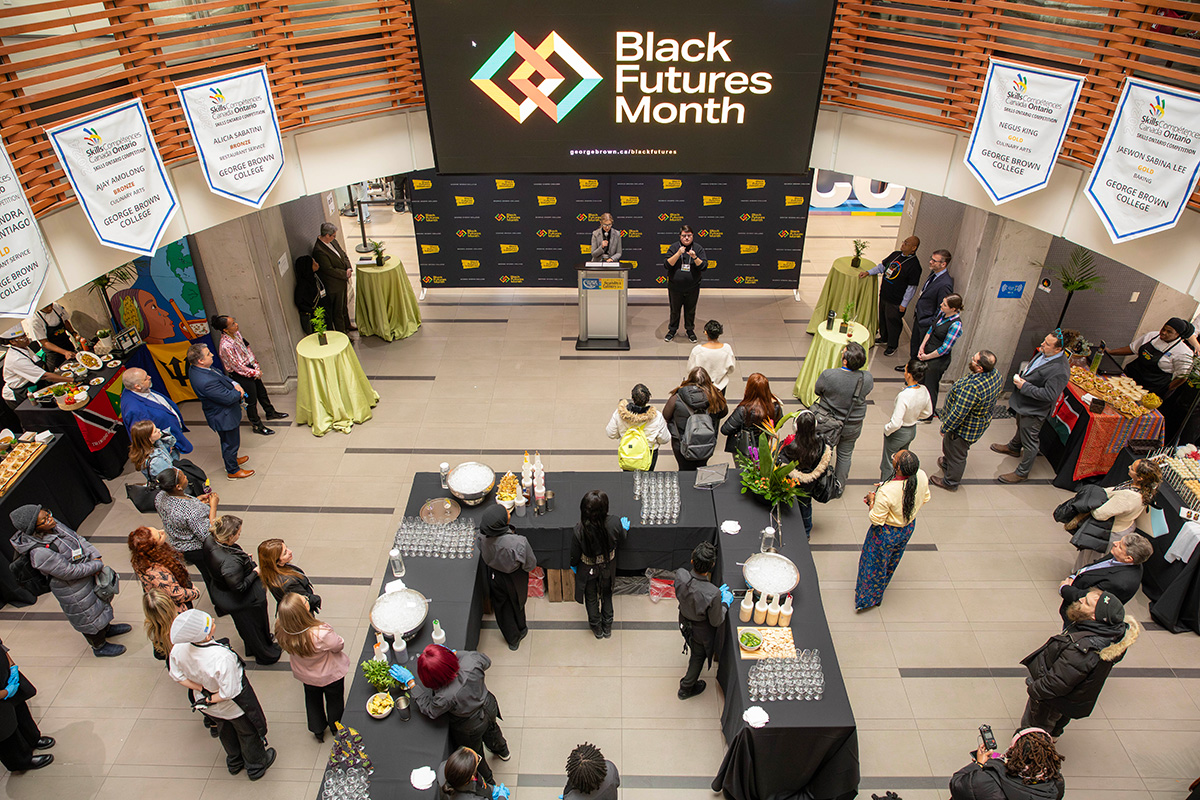
Names shape culture. As a post-secondary institution, the names we choose for our spaces help define the learning experiences we deliver and elevate the diverse stories that shape who we are as an organization. That is why on February 5, 2026, we are officially naming the atrium of our Chef School, a vital gathering point at George Brown Polytechnic, in honour of a visionary leader and Toronto’s first elected Black politician, William Peyton Hubbard.
This is more than a tribute. It is a public statement about who we are, what we value, and the "tomorrow" we are committed to building. At a time of ongoing change in how institutions approach equity, diversity, inclusion, and Indigenization (EDII), we are continuing to invest in and advance this work.
At George Brown, we always consider how our actions enhance equity and belonging. We practice this every day in our teaching, hiring, and conversations. Inclusion must be woven into the very fabric of everything we do. It is embedded in the values that set the tone for our organization and inform decision-making.
The Chef School atrium at 300 Adelaide St. E. is a space defined by creativity, craft, experimentation, and community; qualities that mirror Hubbard’s own life as a baker, inventor, and leader. It is a place where people gather and imagine what is possible.
The naming also recognizes the close connection between Hubbard and our namesake, George Brown.

This is more than a tribute. It is a public statement about who we are, what we value, and the "tomorrow" we are committed to building.
Dr. Gervan Fearon
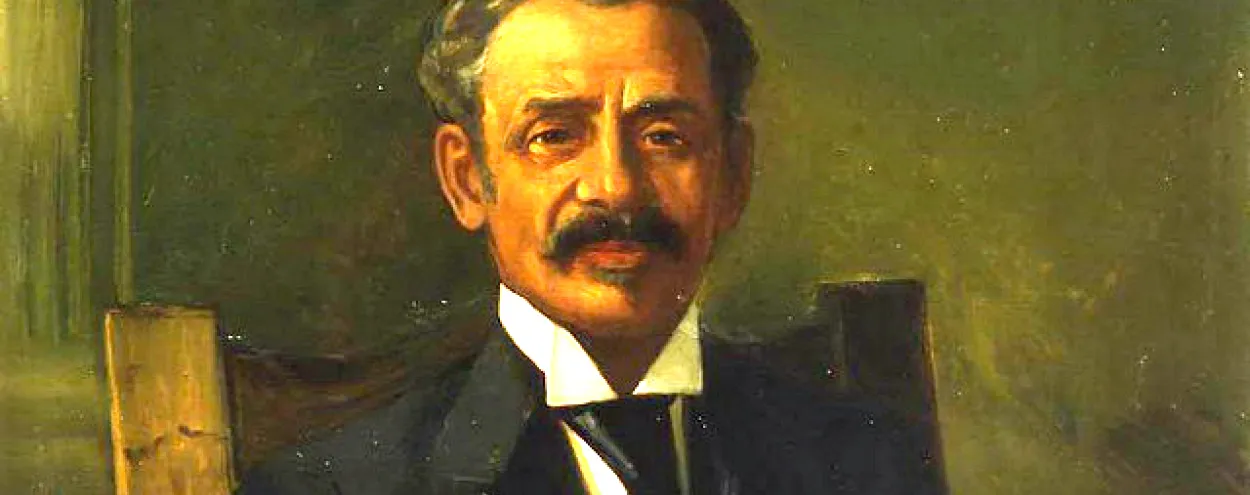
Who was William Peyton Hubbard?
Born in 1842 in Toronto to parents who had escaped enslavement, William Peyton Hubbard rose to become the city’s first elected Black politician, serving as an alderman and acting mayor of Toronto. His journey was one of remarkable resilience and determination.
Hubbard was formally trained as a baker and later became an inventor and entrepreneur who patented the Hubbard Portable Oven and founded the Hubbard Portable Oven Company with his brothers.
In his political career, Hubbard championed the improvement of roads and waterworks and the creation of High Park. Recognizing that electricity should be affordable to all, Hubbard led the push for publicly owned utilities. He stood in allyship with the Chinese and Jewish communities at a time when such positions were neither popular nor easy. His legacy as an advocate is woven deeply into Toronto’s civic life.
Lorraine Hubbard, William Hubbard’s great-granddaughter and former vice-president of the Ontario Black History Society, characterized her family’s civic contributions as unapologetically bold — indeed, even “unpopular” — for the time:
“[Hubbard] got involved in issues that no one else had touched before, issues that no one else would go near because they were afraid that it was unpopular at the time — he was somebody who was quite visible from the norm; the norm of what the average Alderman looked like or was like.”
Hubbard was a government leader who proudly served the people. His eloquence earned him the nickname “Cicero of Council,” and he was praised as one of the most faithful and energetic aldermen in the city. After 40 years of public service, he was honoured with a grand portrait ceremony. Tributes marked him as an “estimable citizen” at the time of his passing in 1935.
Research, led by faculty member Natalie Wood of Black Futures Initiatives at the polytechnic, unearthed Hubbard’s connection to George Brown, the politician, reformer, and Globe (now The Globe & Mail) publisher, who played a central role in Toronto’s anti-slavery movement. Hubbard met Brown while working as a driver. The two would become lifelong friends and allies, and Brown would eventually encourage Hubbard to pursue his political career.
Why the Chef School Atrium?
Naming this atrium after Hubbard connects applied learning with civic responsibility, reminding us that innovation and equity are not separate pursuits. They are strongest when they move together.
It is also fitting that the naming of the William Peyton Hubbard Atrium coincides with the 30th anniversary of Black History Month in Canada and George Brown Polytechnic’s Black Futures Month celebrations and programming.
By naming our atrium in Hubbard’s honour, we hope to emphasize our own commitment to the principles he spent his life upholding. This reimagined space is intended to encourage reflection and prompt interest in our city’s history and the individuals who have shaped it.