
George Brown Polytechnic is located on the traditional territory of the Mississaugas of the Credit First Nation and other Indigenous peoples who have lived here over time. We are grateful to share this land as treaty people who learn, work and live in the community with each other.
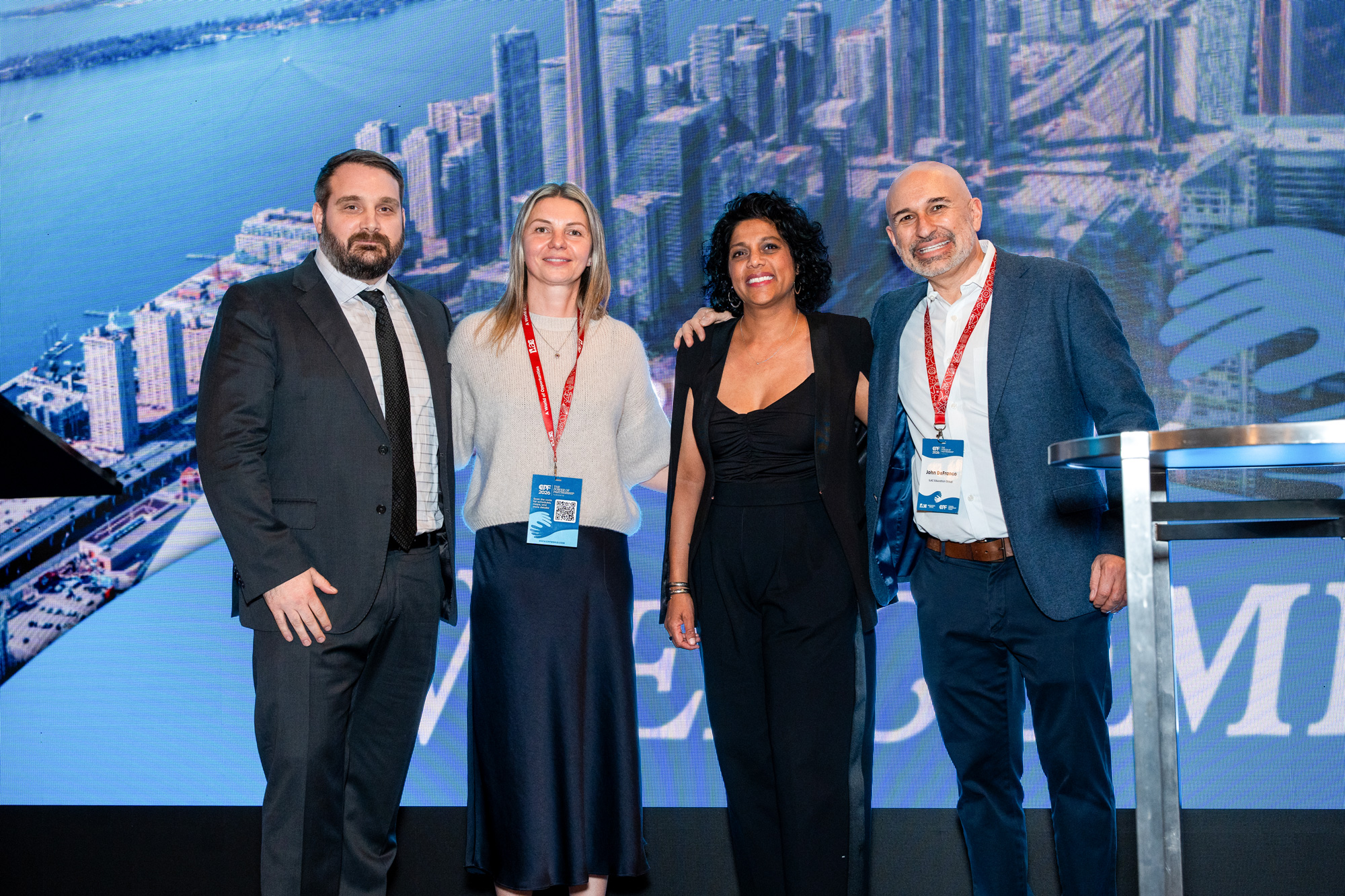
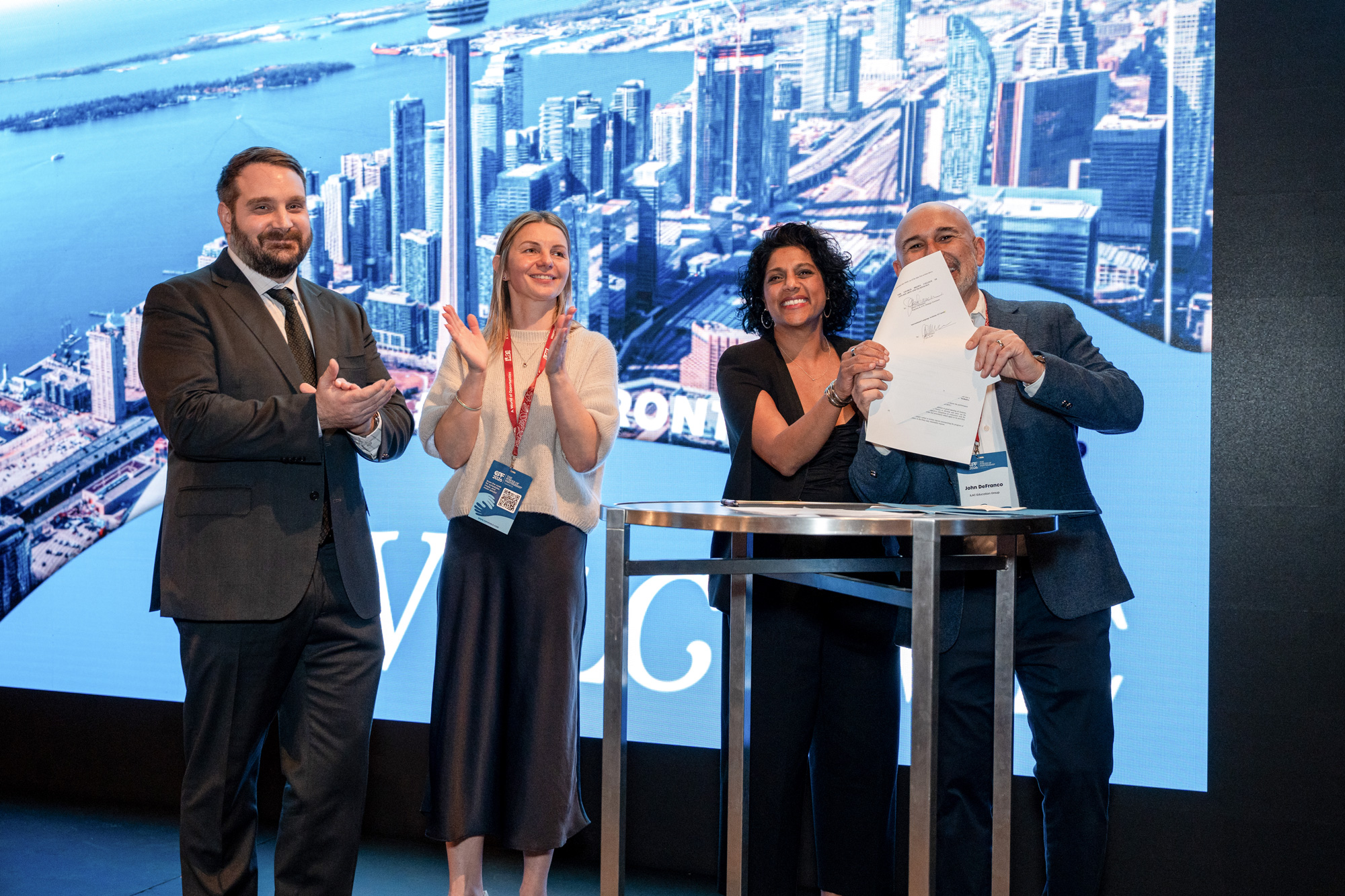
George Brown Polytechnic (GBP) and ILAC (International Language Academy of Canada) formalized a new academic partnership on Friday, April 24, by signing a Memorandum of Understanding that establishes an IRCC-approved Joint Pathway Program (JPP) for international students.
The agreement creates a single, integrated pathway that enables students to progress from English language studies at ILAC directly into select diploma and degree programs at George Brown Polytechnic, within a single joint program and under a single study permit. The initiative reflects evolving federal policy and sector best practices while prioritizing student readiness and success.
A structured and policy-aligned pathway
The Joint Pathway Program provides a clearly defined, academically supported route for students completing ILAC’s language programs to transition into post-secondary studies at George Brown. By aligning curriculum, admissions processes, and compliance requirements, the program supports a smooth student journey while meeting Immigration, Refugees and Citizenship Canada (IRCC) expectations.
Designed to reduce complexity for both students and institutions, the pathway ensures learners develop the language proficiency and academic preparedness needed to succeed in a polytechnic environment, without unnecessary delays or administrative barriers.
“As an established leader in Canadian pathway programs, ILAC is committed to continuing to deliver an exceptional student journey through the ILAC–George Brown Joint Pathway Program,” said Magdalena Link, Senior Vice President, Partnership Development at ILAC Education Group. “This initiative offers students a smooth, supported transition from language studies into post-secondary education, while remaining fully aligned with IRCC policy.”
A long-standing partnership strengthened
ILAC and George Brown Polytechnic share a long-standing institutional relationship, having welcomed pathway students from around the world for many years. The formalization of the Joint Pathway Program builds on this history and reinforces a shared commitment to high-quality outcomes for international learners.
For George Brown, the program supports broader institutional priorities related to global engagement, workforce development, and student success within a rapidly changing policy environment.
“International students are an important part of George Brown Polytechnic’s learning community, Canada’s future workforce and our engagement at a global level,” said Dr. Gervan Fearon, President, George Brown Polytechnic. “A Joint Pathway Program with ILAC Education Group provides a clear, high-quality route for students to build strong language skills and transition confidently into post-secondary education. This partnership reflects our shared commitment to student success, academic readiness, and meeting the evolving policy landscape.”
Supporting Canada’s education ecosystem
The launch of the Joint Pathway Program marks a significant milestone for both institutions, strengthening connections between language education and post-secondary study while supporting the long-term sustainability and global competitiveness of Canada’s international education sector.
By offering a single, integrated pathway grounded in quality, compliance, and student experience, George Brown Polytechnic and ILAC are positioning the program as a model for collaborative, policy-aligned international education in Canada.
Take charge of your Canadian career path with a program at George Brown.