
George Brown Polytechnic is located on the traditional territory of the Mississaugas of the Credit First Nation and other Indigenous peoples who have lived here over time. We are grateful to share this land as treaty people who learn, work and live in the community with each other.
George Brown Polytechnic marked Toronto Climate Week 2026 with a dynamic day of programming at Limberlost Place, bringing together students, faculty, and industry to explore practical solutions for a low-carbon future. The June 2 event highlighted the institution’s leadership in sustainability in education and its role in advancing climate action through collaboration.
Led by teams across Facilities and Sustainability and the Brookfield Sustainability Institute, the programming showcased how George Brown connects classroom learning with real-world impact—preparing students to contribute directly to a rapidly evolving green economy.
Limberlost Place as a model for sustainable innovation
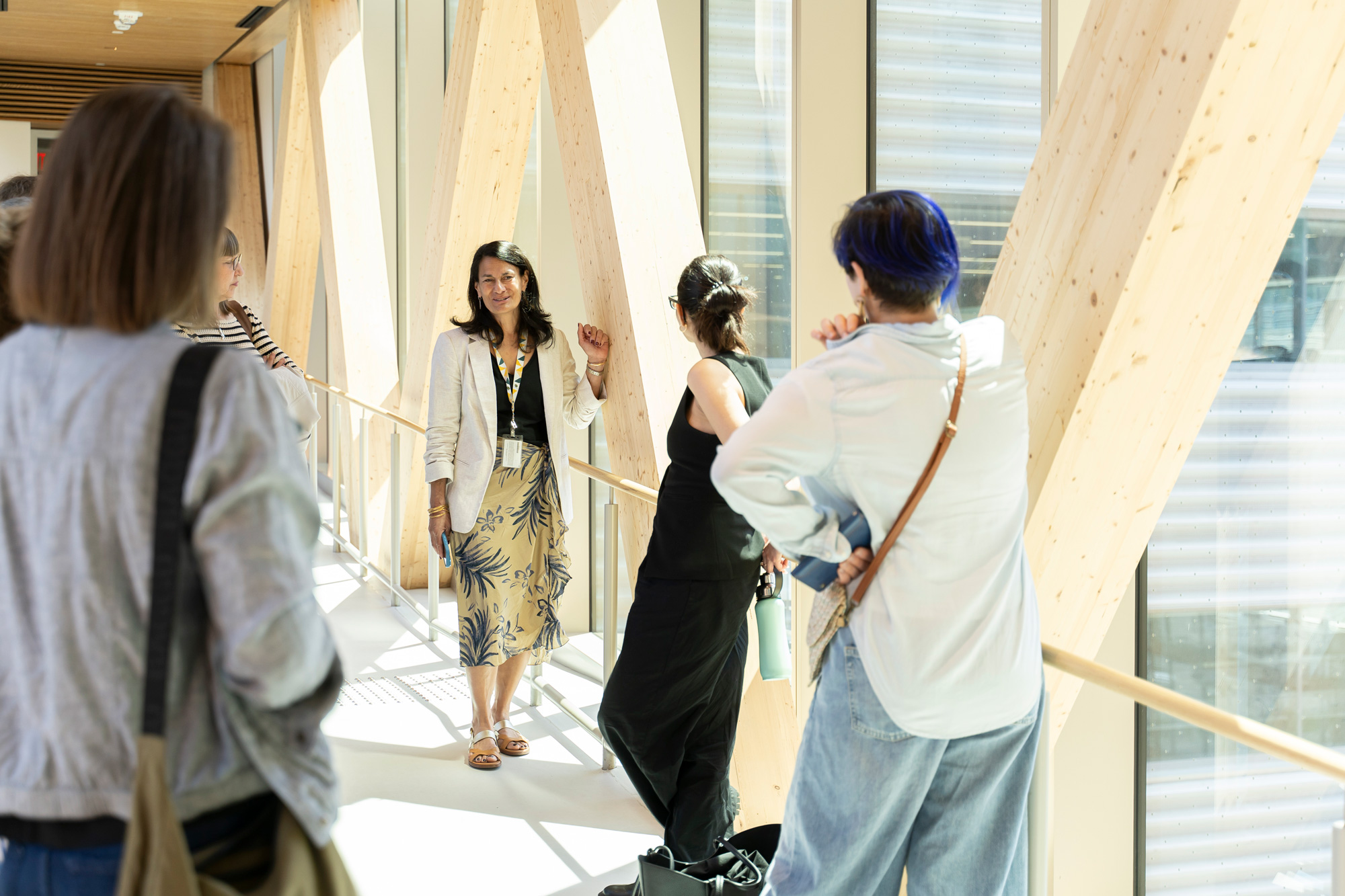
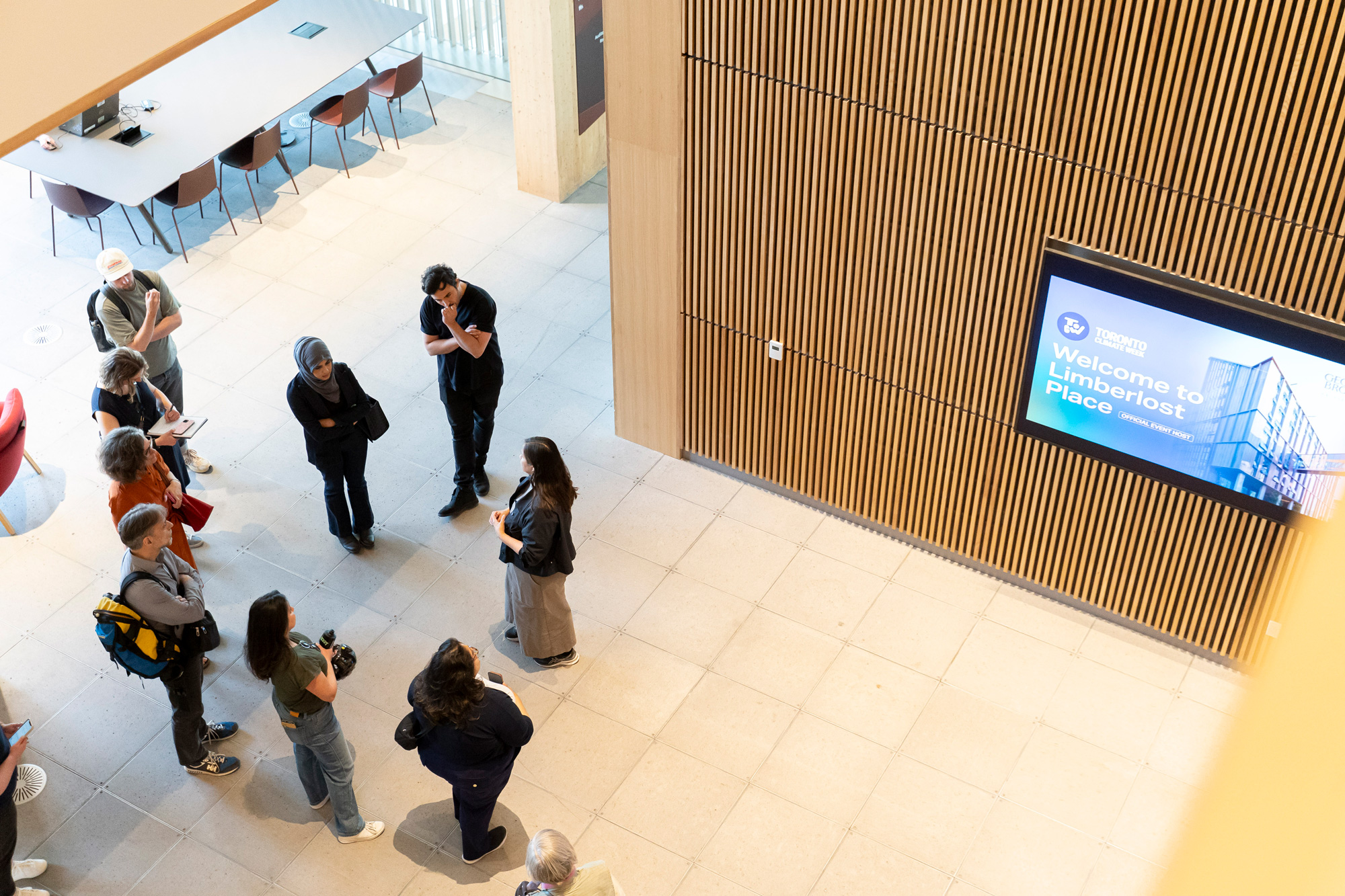
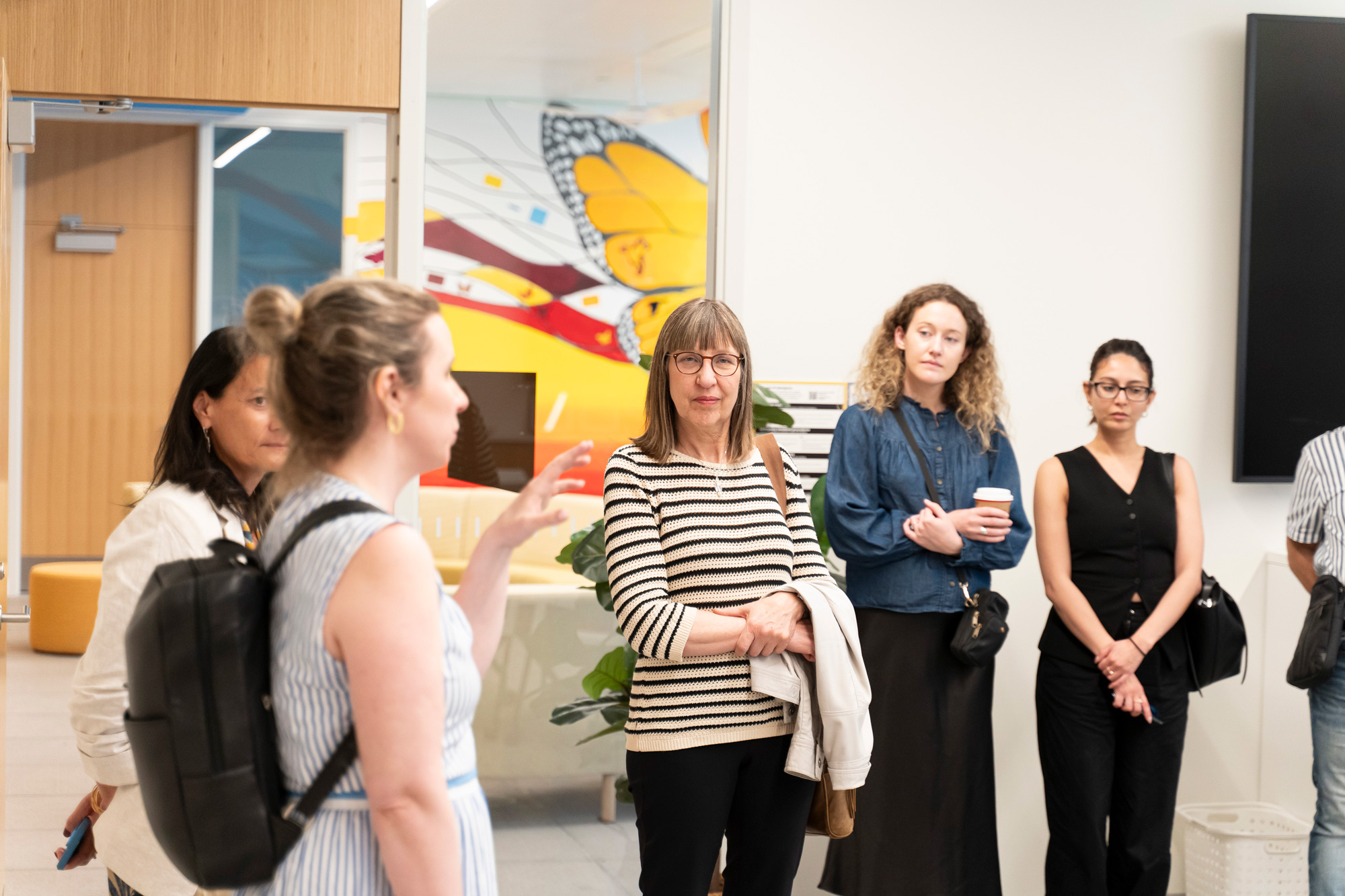
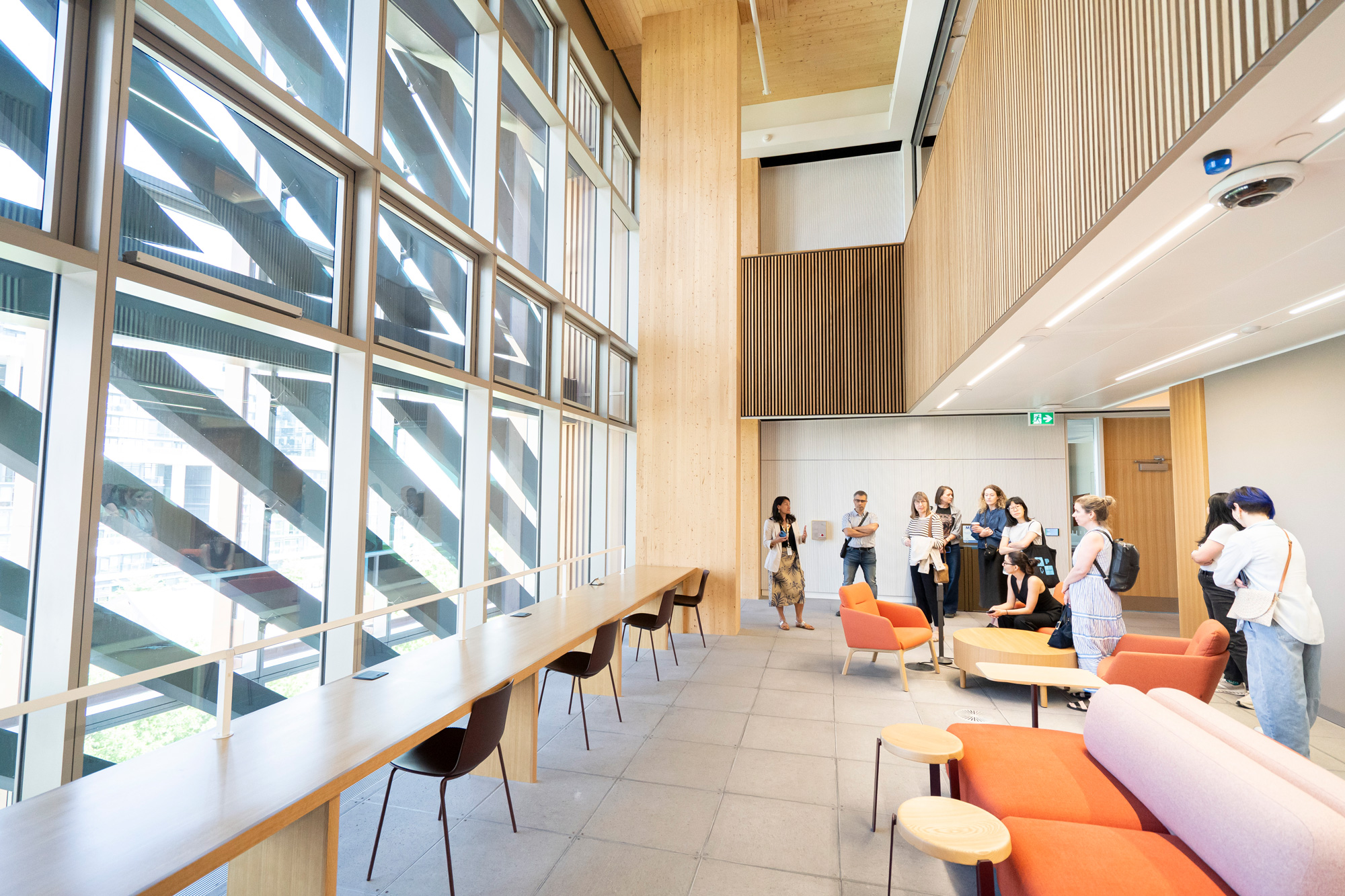
At the centre of the day were guided tours of Limberlost Place, one of Toronto’s most innovative mass-timber institutional buildings and a showpiece of George Brown’s commitment to sustainable practices and learning spaces. Led by project partners from George Brown, PCL Construction, Transsolar, and Moriyama Teshima Architects, the tours offered an inside look at low-carbon design, construction techniques, and the collaborative process behind the landmark project.
The building is a powerful example of how interdisciplinary partnerships can drive sustainable city-building. For students, it reinforced the value of learning in an environment where design, engineering, and sustainable practices intersect in tangible ways.
Building climate skills through experience
An interactive En-ROADS Climate Solutions Simulator session, led by Dr. Kay-Ann Williams, engaged participants in exploring how policy and technology choices shape global climate outcomes, emphasizing systems thinking and real-world trade-offs.
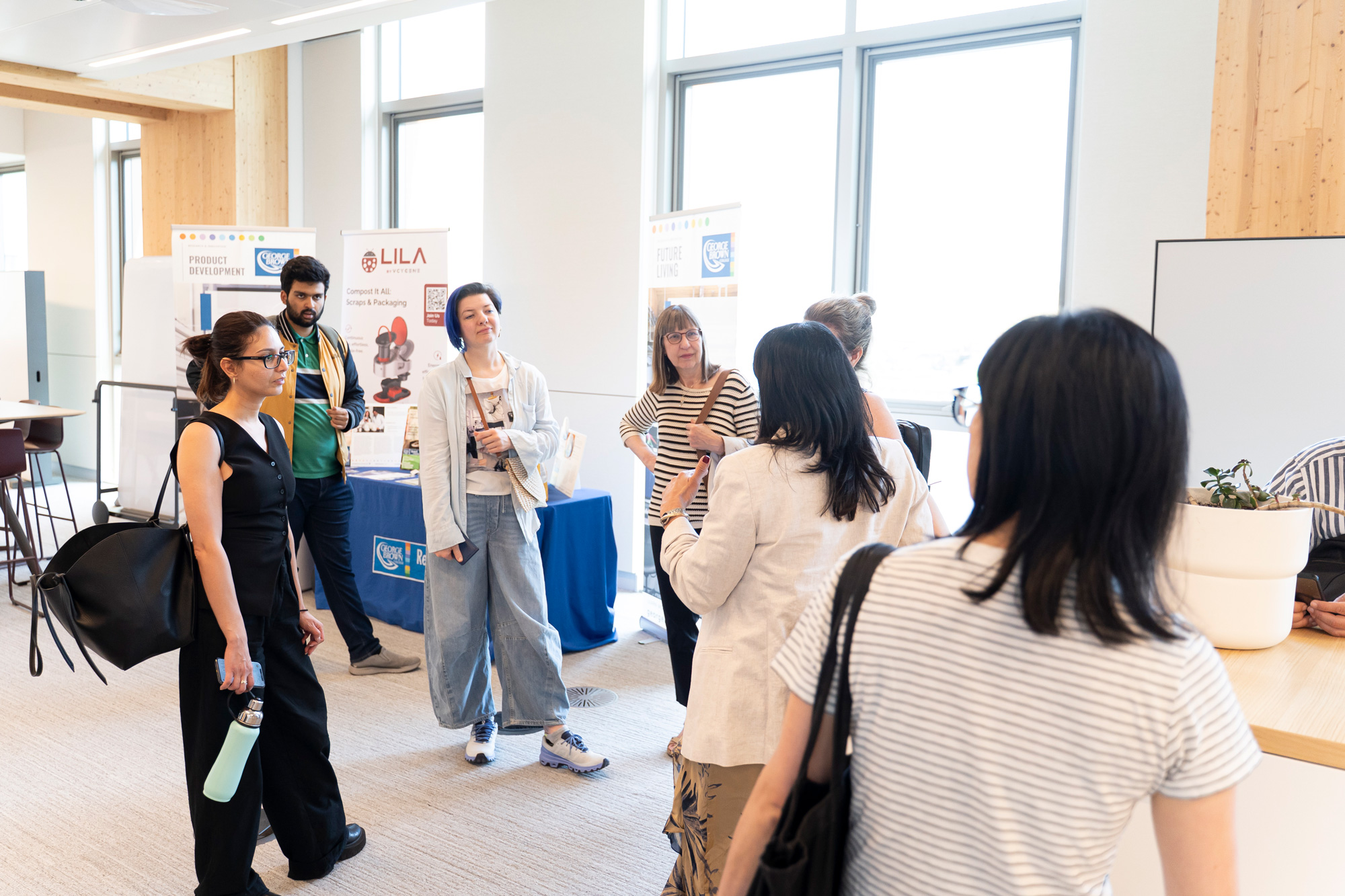
The Sustainability Fair provided attendees with opportunities to connect with programs, experiential learning opportunities, and industry pathways throughout the city. An industry-led session on the life-cycle assessment (LCA) of Limberlost Place offered insights into the building’s embodied carbon performance, reinforcing the importance of ongoing collaboration and knowledge sharing to reduce emissions across the built environment.
A living learning environment for future leaders
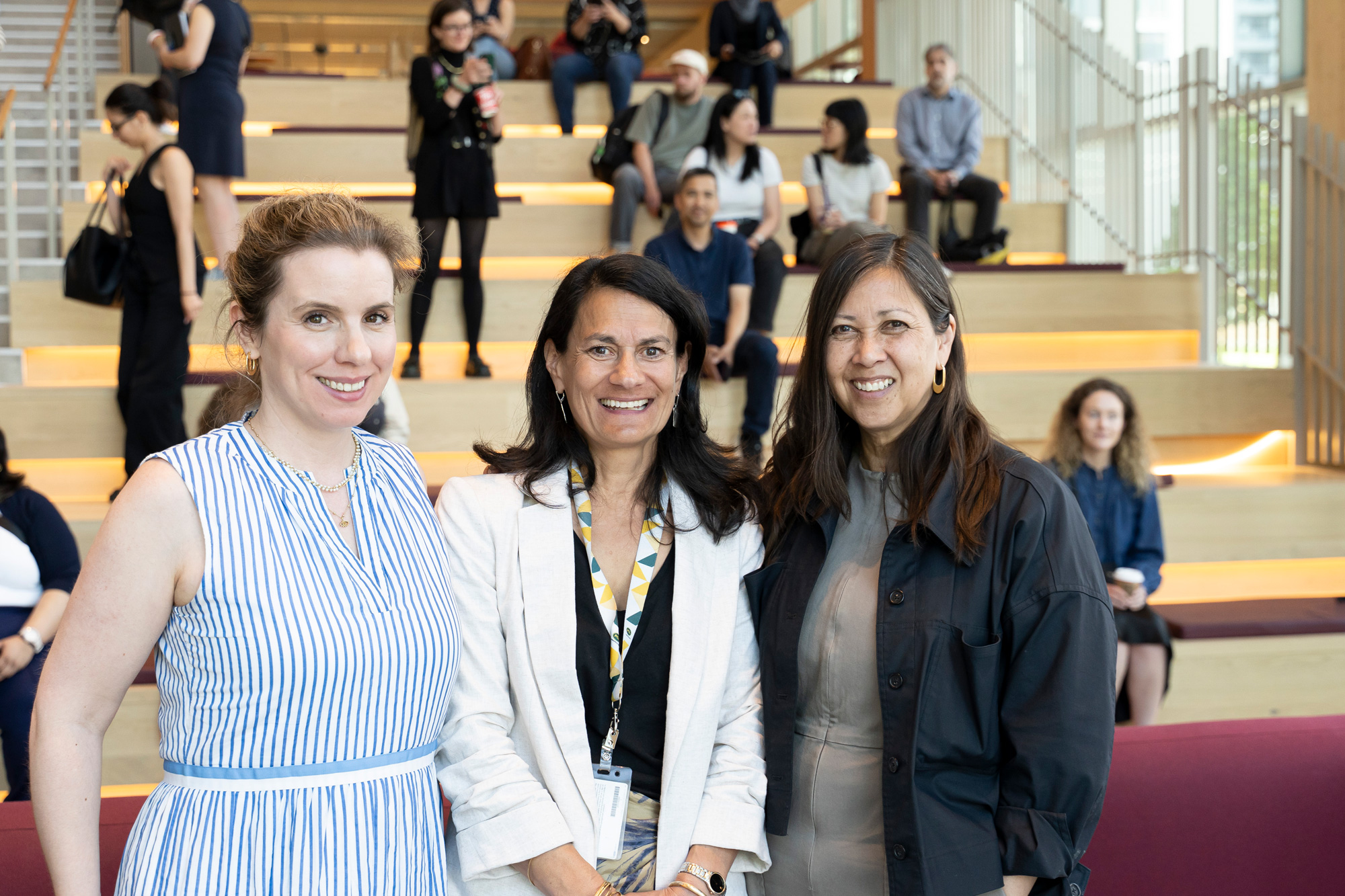
“Toronto Climate Week gave us an opportunity to open the doors of Limberlost Place and share not only the building itself, but the collaborative thinking, innovation, and learning that made it possible,” said Nerys Rau, Executive Director, Facilities and Sustainability. “These conversations are essential as institutions, industry, and communities work together to accelerate climate action and create more sustainable spaces for future generations.”
“One of the most rewarding parts of the day was seeing students, educators, and industry professionals engaging together around climate solutions. Limberlost Place is more than a building; it’s a living learning environment that helps inspire the next generation of sustainability leaders.”
Find out more about George Brown’s sustainability initiatives
Get involved with Toronto Climate Week
Explore Limberlost Place’s Life Cycle Assessment
Above photos by Roy Esterhuysen
Above photos by Toronto Event Photography