
George Brown Polytechnic is located on the traditional territory of the Mississaugas of the Credit First Nation and other Indigenous peoples who have lived here over time. We are grateful to share this land as treaty people who learn, work and live in the community with each other.
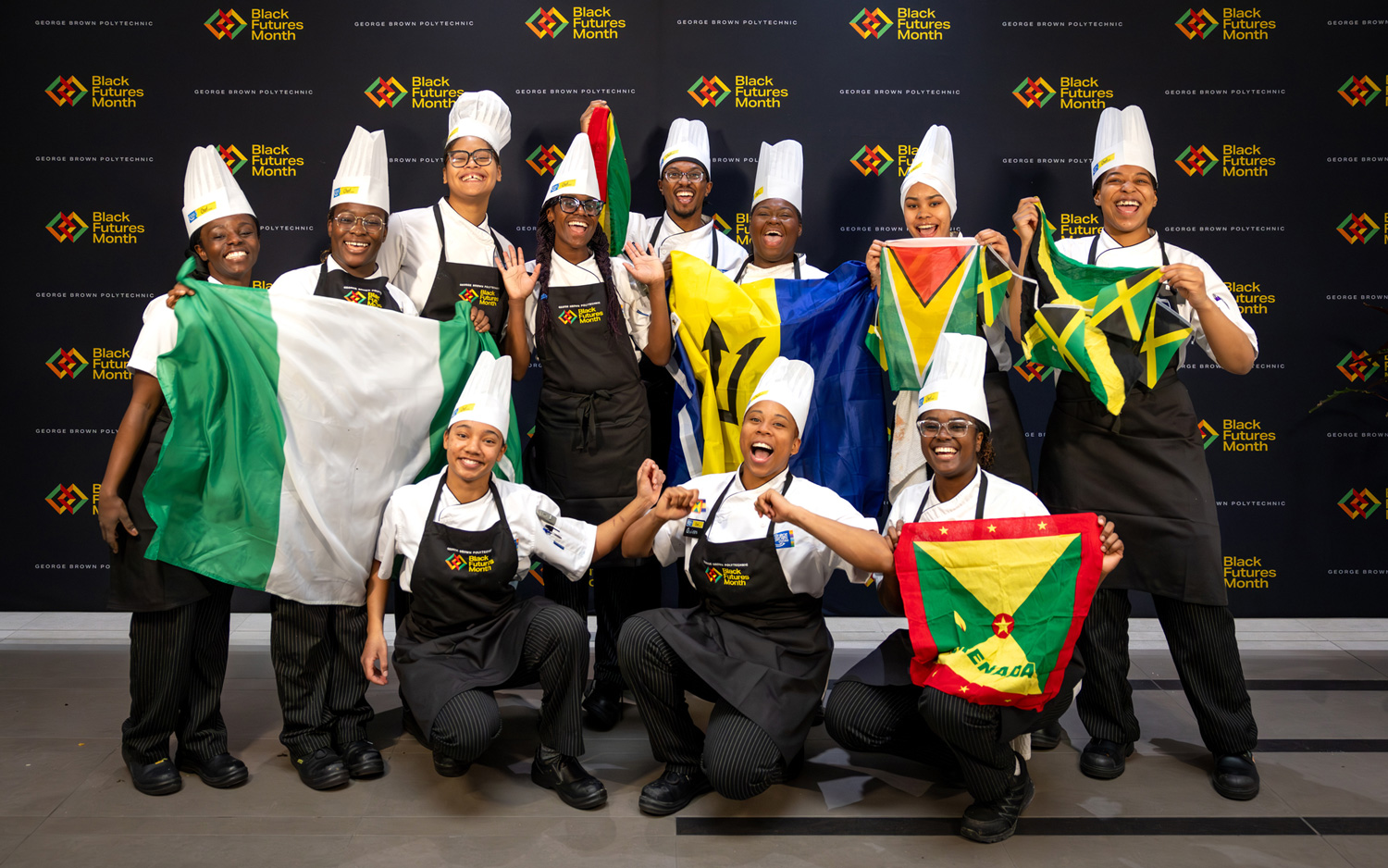
George Brown Polytechnic marked this year’s Black Futures Month with a powerful campus-wide celebration that blended historical reflection, community engagement, and future-focused learning. Anchored in this year’s theme, Roots and Resistance, the month invited students, employees, and partners to reflect on Black histories and to imagine new possibilities for Black futures at the institution.
This year was also a national milestone—the 30th anniversary of Black History Month in Canada—echoed in programming that honoured Black brilliance across generations and underscored the role of institutional commitments in shaping inclusive, equitable futures.
Highlights from a dynamic month of programming
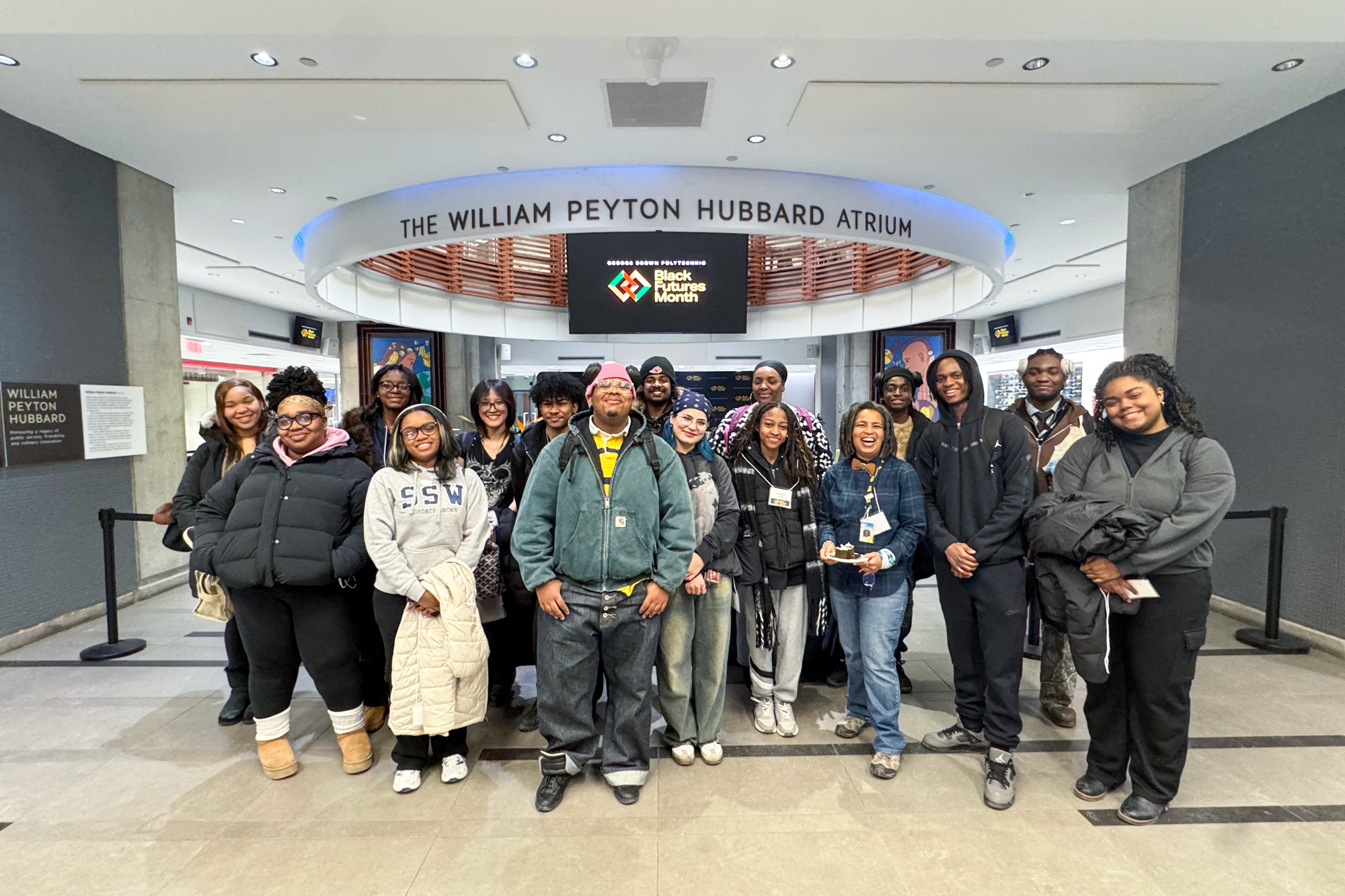
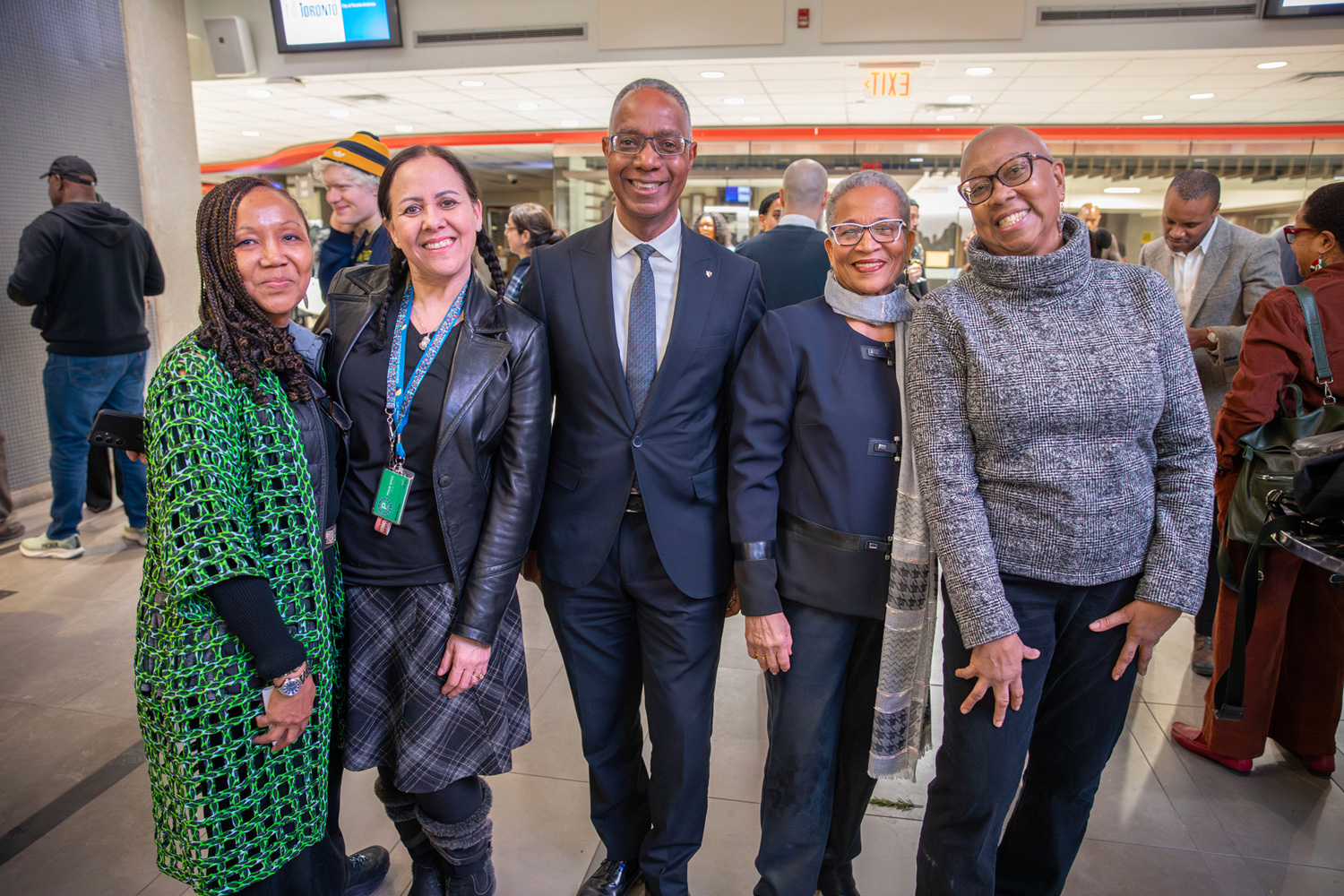
The month began with an institution-wide spotlight on how Black histories shape George Brown’s policies, spaces, and community leadership—anchored by the William Peyton Hubbard naming event and learning session. This opening set the tone for a month focused on the interconnectedness of past and future and on the shared responsibility to nurture Black creativity, belonging, and leadership.
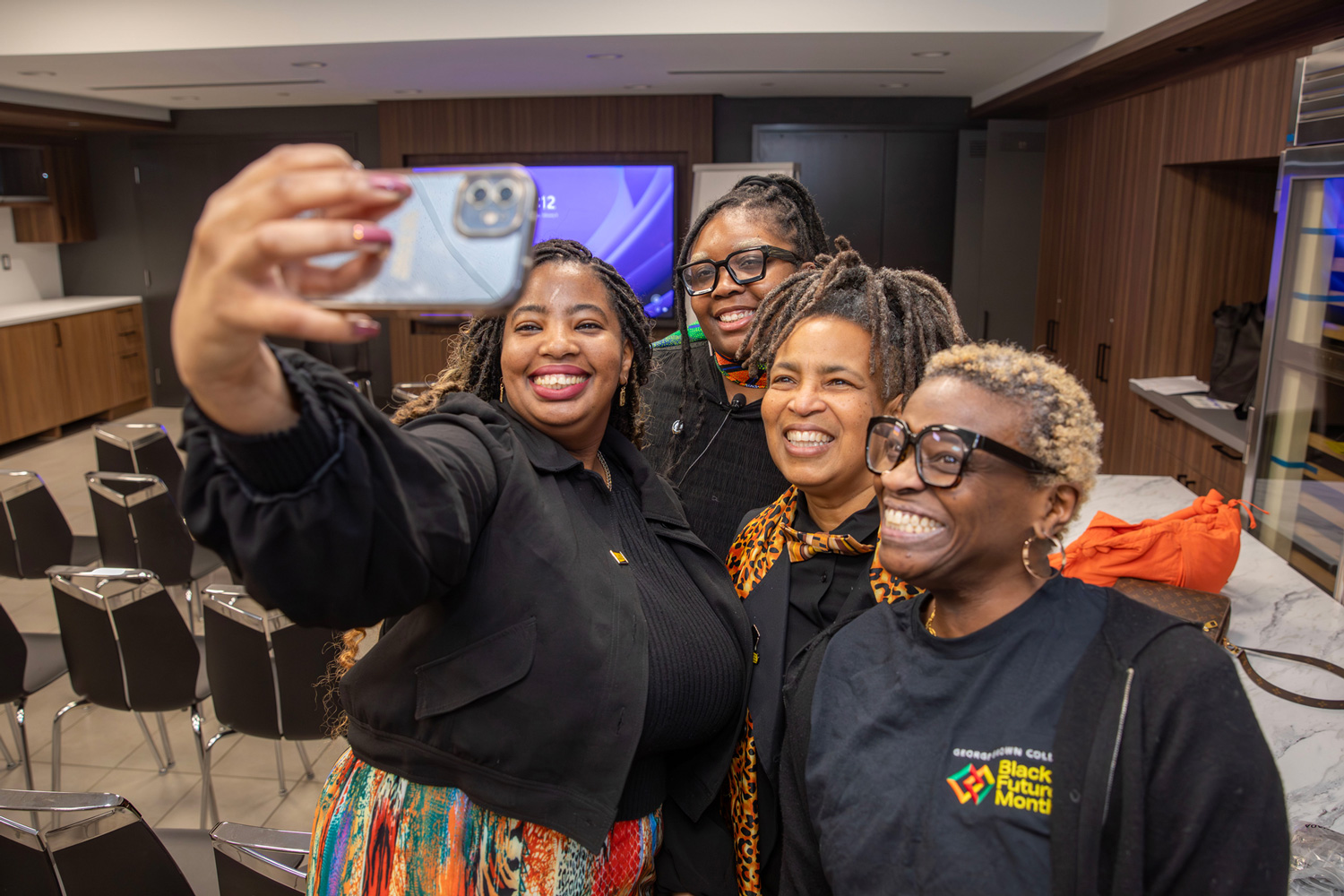
Throughout February, students and employees participated in a wide range of programming, including learning sessions and creative workshops, wellness gatherings, screenings, and community celebrations. Highlights included the Hubbard atrium naming ceremony, weekly For the Culture documentary screenings, Afrocentric wellness sessions, and a career-oriented Candid Career Chats event featuring George Brown alumni.
Learning is always a key focus during Black Futures Month, and this year, participants at the Navigating Anti-Oppression Work when the Personal is Political workshop explored concepts through personal narrative, highlighting how lived experiences can shape work on neurodivergence, gender, anti-Black racism, and trauma-informed practices.
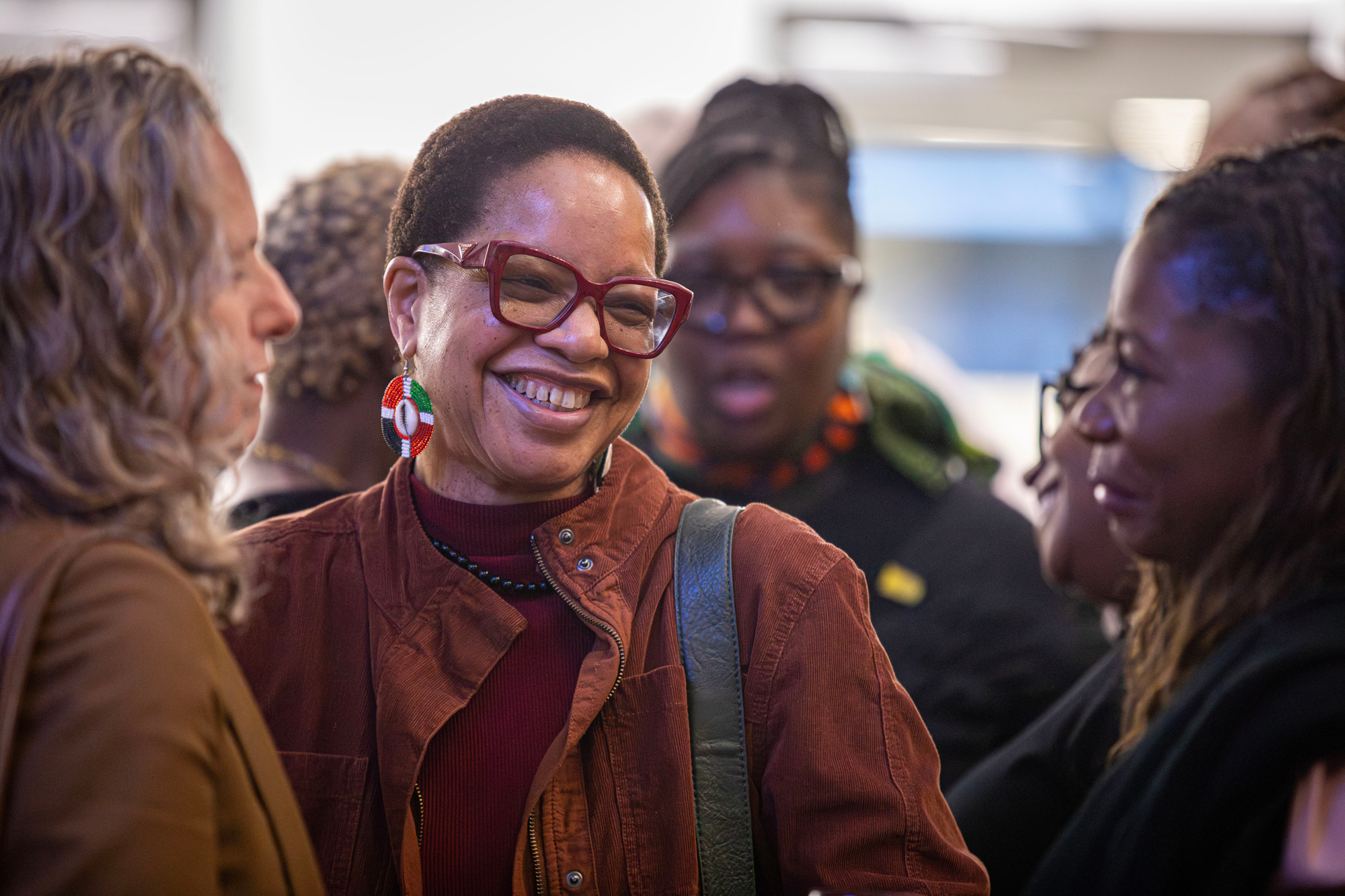
Community building remained central. Events such as Community Circle: Black Disability Freedom Space and Queer community circle offered affirming identity-specific gatherings and collective care, and the Black Futures Expo & Mentorship Fair brought together organizations focused on career development, mentorship, leadership, and health supports to connect Black students and employees with practical, community-informed resources.
Creative expression closed the month with the Black Futures Research Studio’s (BFRS) Zine Jam, where Black students and staff created Educational Journey Zines that captured the strategies, tools, and lived experiences shaping their paths—an expressive and resonant finale to Black Futures Month.
Why Black Futures Month matters
Black Futures Month at George Brown is a commitment to equity and inclusion that extends beyond February. The programming affirms the stories, leadership, and lived experiences of Black students, staff, faculty, and alumni. It supports ongoing efforts to build a place where Black communities can learn, thrive, and lead.
By creating spaces for learning, creativity, healing, and dialogue, George Brown can continue to model what an equity-centred institution can look like: one that honours history, amplifies present-day experiences, and invests meaningfully in the futures of its community members.
Learn more about Black Futures at George Brown