
George Brown Polytechnic is located on the traditional territory of the Mississaugas of the Credit First Nation and other Indigenous peoples who have lived here over time. We are grateful to share this land as treaty people who learn, work and live in the community with each other.
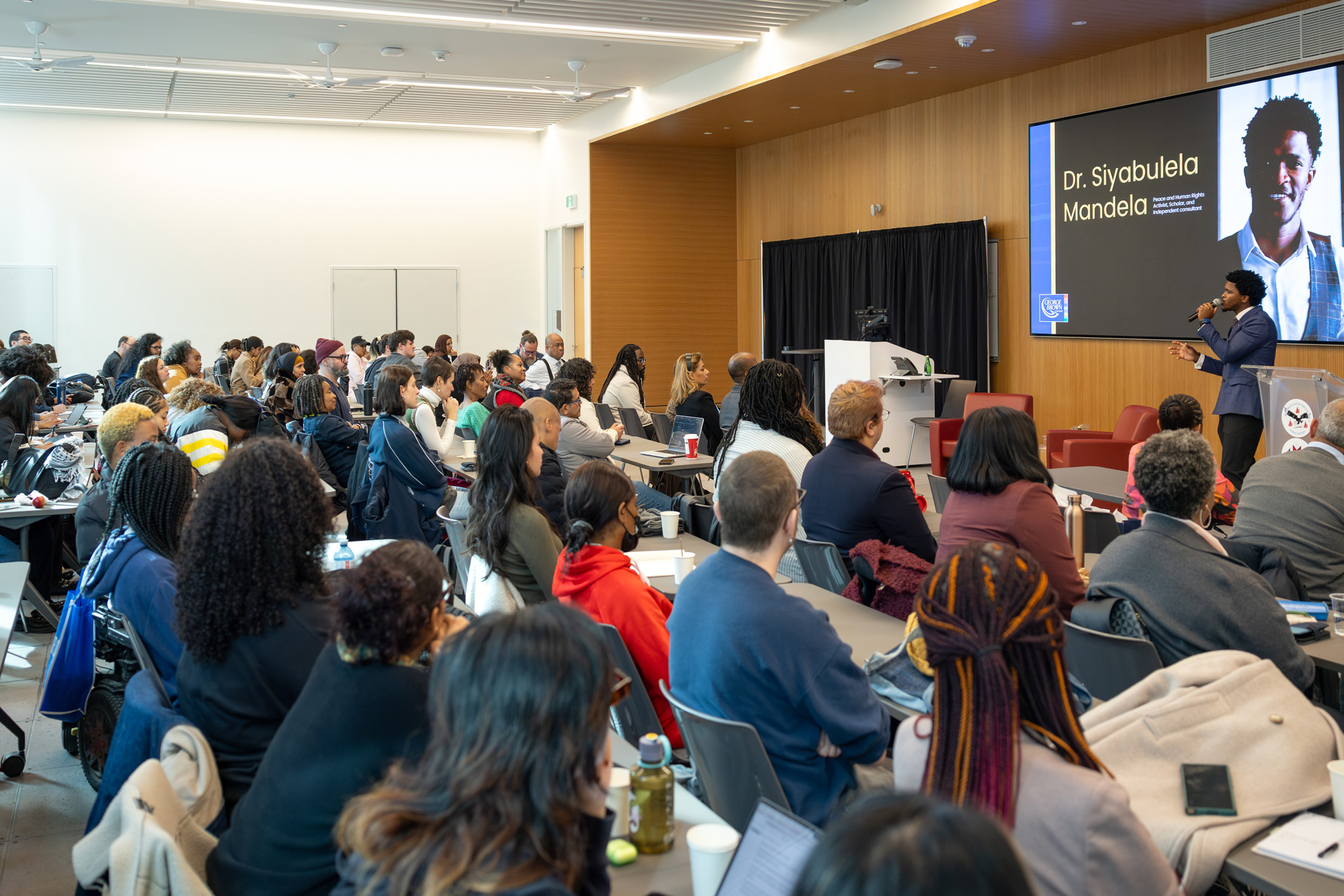
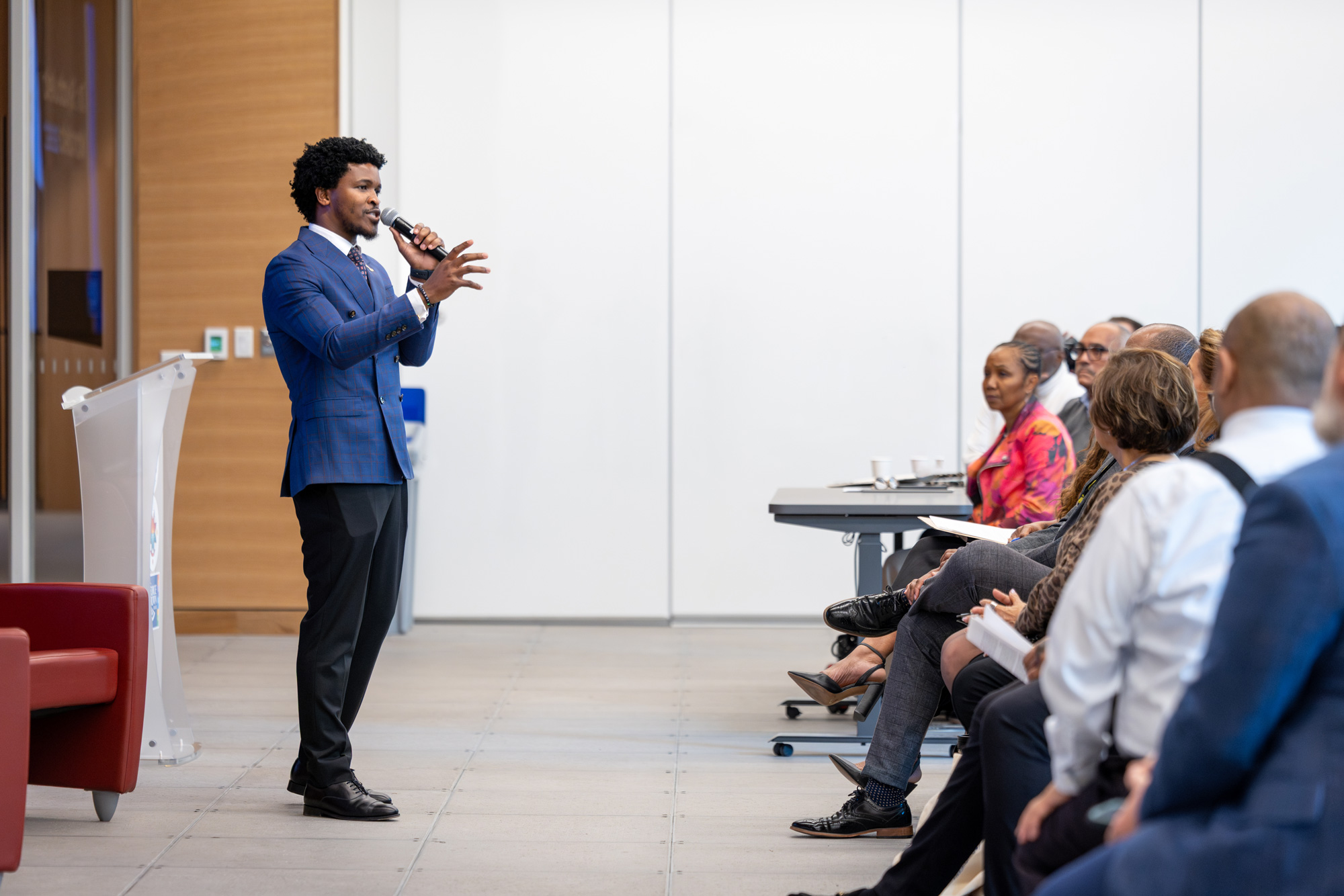
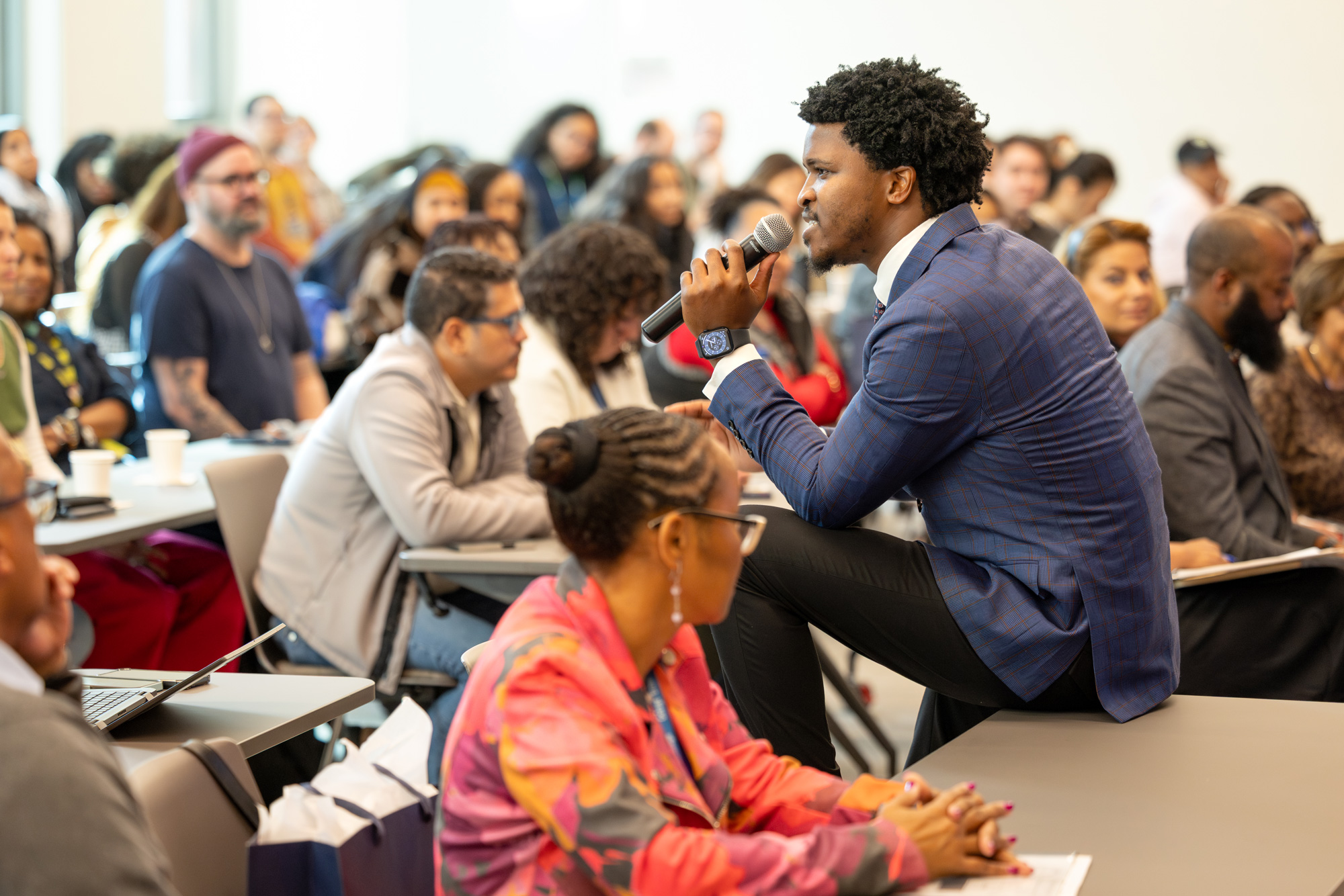
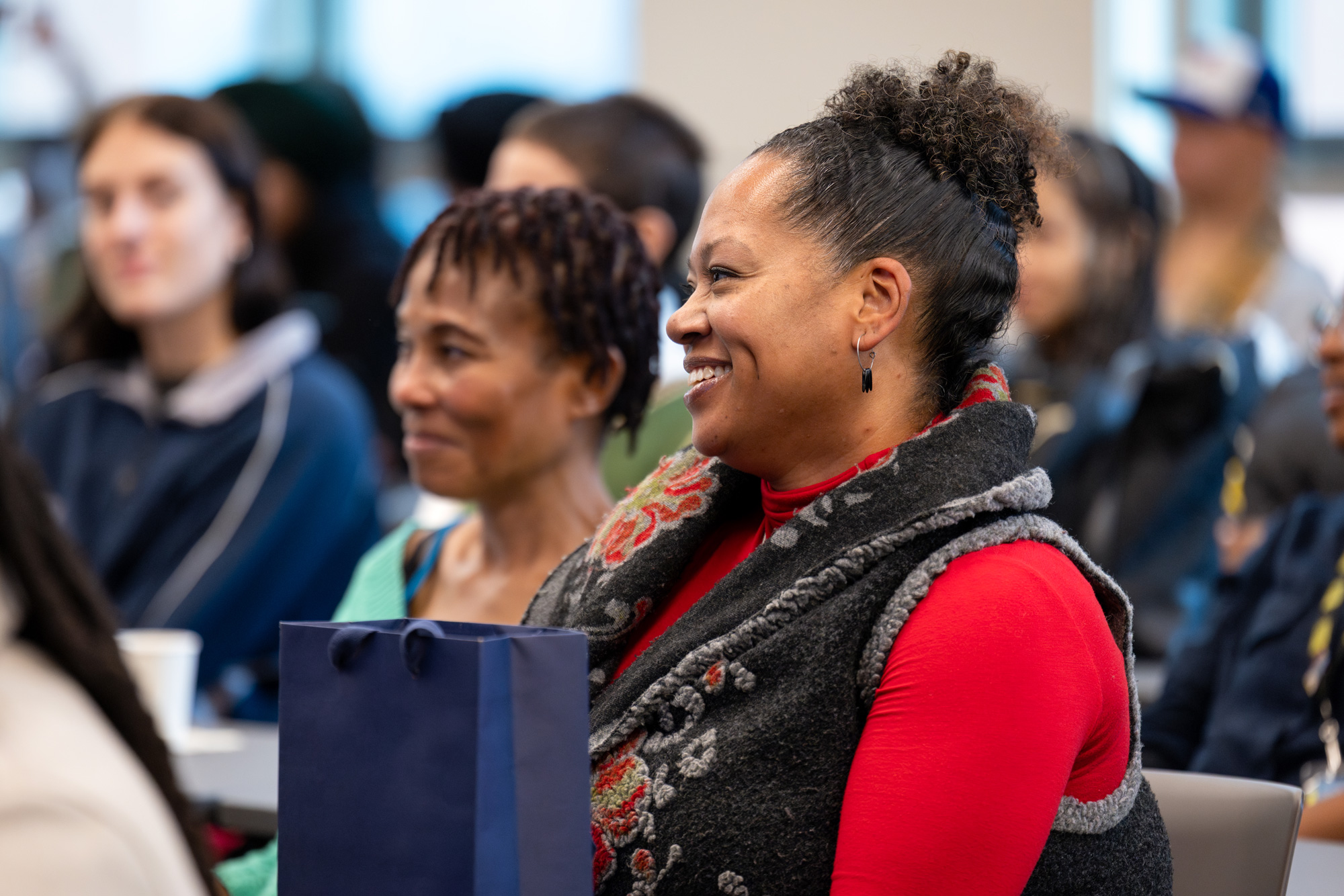
George Brown Polytechnic welcomed Dr. Siyabulela Mandela, distinguished peace and human rights activist and great-grandson of Nelson Mandela, for an inspiring keynote address at Limberlost Place.The event, Leading Transformative Change: Navigating Division with Purpose and Courage, drew students, faculty, staff, and community leaders seeking insights into what it means to lead with purpose during times of division. For faculty bringing their classes to experience this unique opportunity, it was a chance for students to see social justice and classroom learning come to life.
Drawing from South Africa's journey
Dr. Mandela's address focused on South Africa's remarkable transformation from apartheid to democracy, highlighting how vision, empathy, and a commitment to reconciliation can drive meaningful social change. He emphasized that effective leadership requires both courage and empathy, stating, "It takes courage to stay true to purpose and to vision, but another quality that we must come to understand is the importance of being pragmatic as a leader."
Through compelling storytelling, he shared how his great-grandfather's vision of unity, from the establishment of the South African Truth and Reconciliation Commission to his steadfast belief in forgiveness, helped heal a divided nation and redefine leadership on the world stage.
The concept of Ubuntu, “I am because you are,” emphasizes the interconnectedness of individuals with their communities and physical surroundings, served as a core principle for understanding Nelson Mandela's approach to leadership and reconciliation.
Dr. Mandela also spoke about ongoing struggles for justice and freedom worldwide, reminding the audience that collective responsibility extends beyond borders. "Our freedom is incomplete until the freedom of the oppressed is realized," he stated, highlighting the interconnected nature of human rights issues and the moral obligation for leaders to stand in solidarity with all oppressed peoples.
Connecting historical lessons to contemporary leadership
Throughout the session, Dr. Mandela linked these timeless lessons to the challenges leaders face today, offering practical insights into how we can navigate conflict, build bridges, and lead with purpose to foster lasting change. His message resonated deeply, emphasizing that transformative leadership demands both courage and a deep commitment to understanding others.
Dr. Mandela's visit to George Brown serves as a powerful reminder that the principles of reconciliation, empathy, and purposeful leadership remain as vital today as they were during South Africa's transition to democracy. As students and professionals navigate an increasingly divided world, his message offered both inspiration and practical guidance for those committed to creating positive change in their communities and beyond.
Read more about Dr. Siyabulela Mandela